Laser Surface Preparation for Contractors: Drop the Blast Media, Containment and Waste Disposal

With a laser on the truck, a rust or coating removal job runs with no blast media to haul in, no media containment tent around the work and no spent grit to recover before you leave the site.

The laser still needs its own Class 4 work area: a marked boundary, screens against reflections from bright metal and fume extraction at the cleaning point.

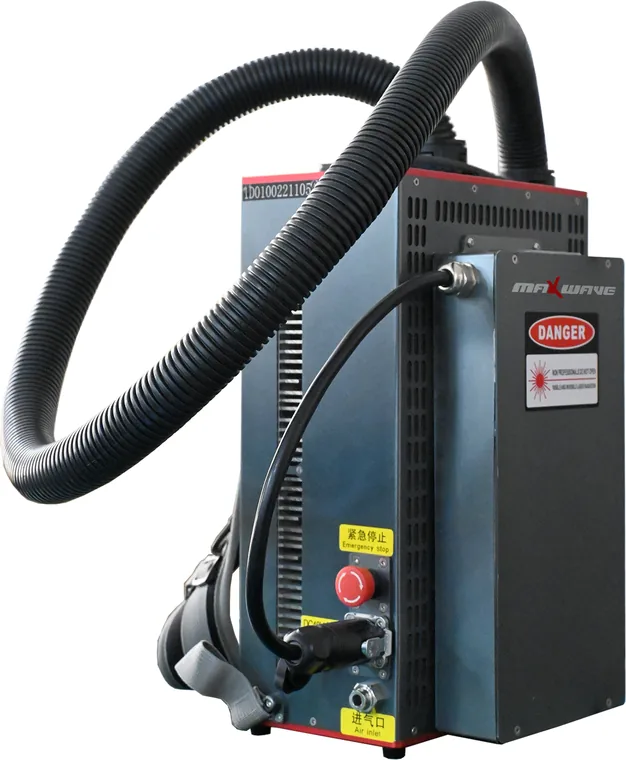
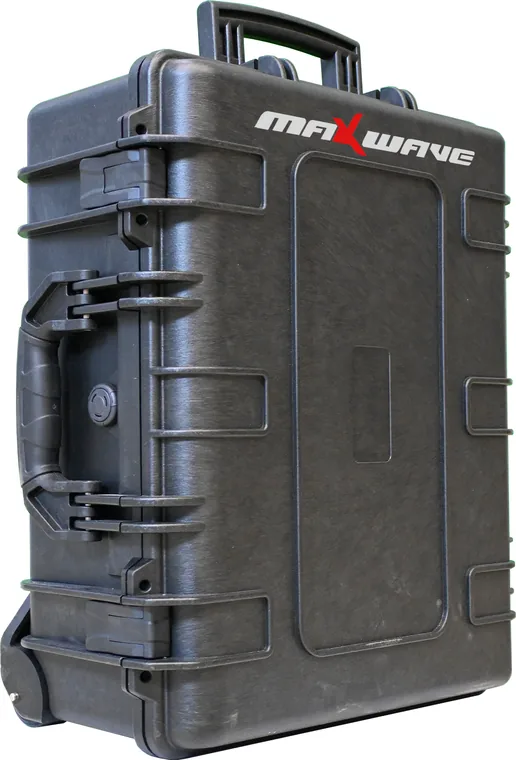
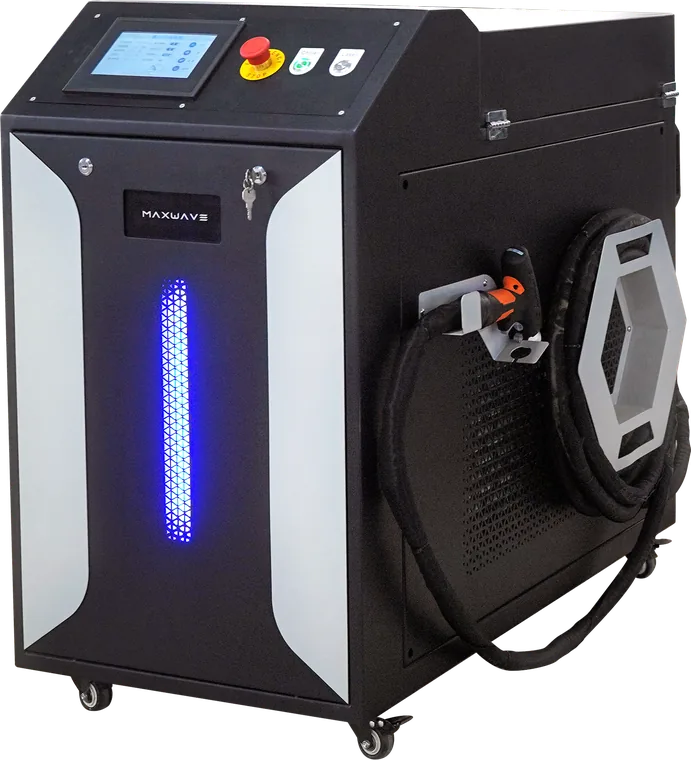
MAXWAVE supplies laser cleaning machines to blasting, surface preparation and industrial cleaning contractors who sell cleaning as a paid service. Four lines cover contract work, from the 12 kg backpack and 25 kg trolley case to the water-cooled cabinet for heavy steel in your yard.

  • Noneabrasive media, solvents or grinding discs on the job
  • 12 kgportable units; cabinets up to 6000 W continuous
  • Ratesreference cleaning rates per line and layer
  • Remoteengineering guidance and matched spare parts
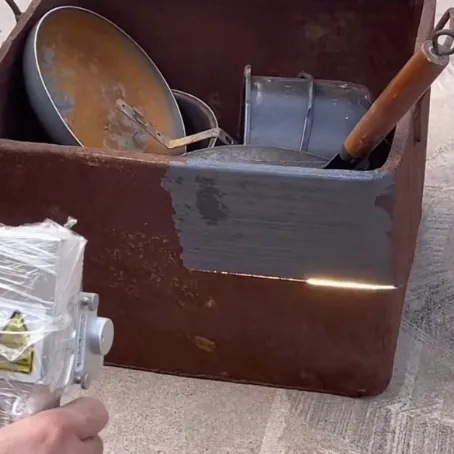
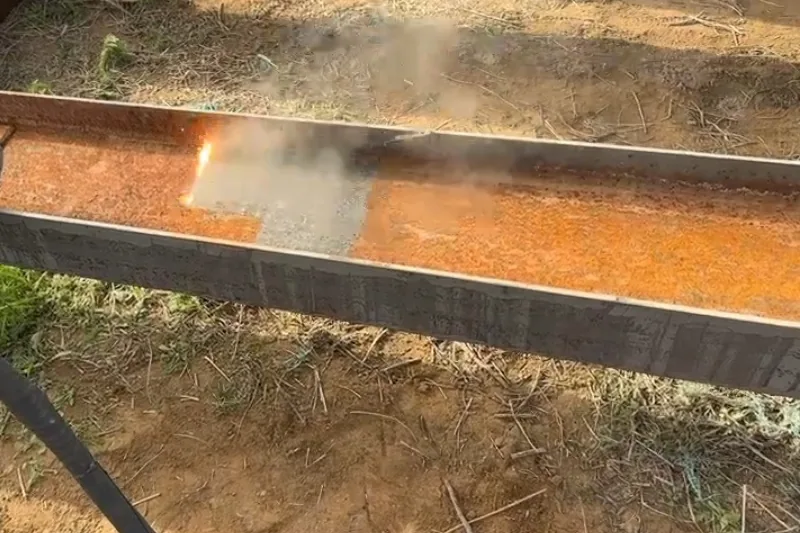
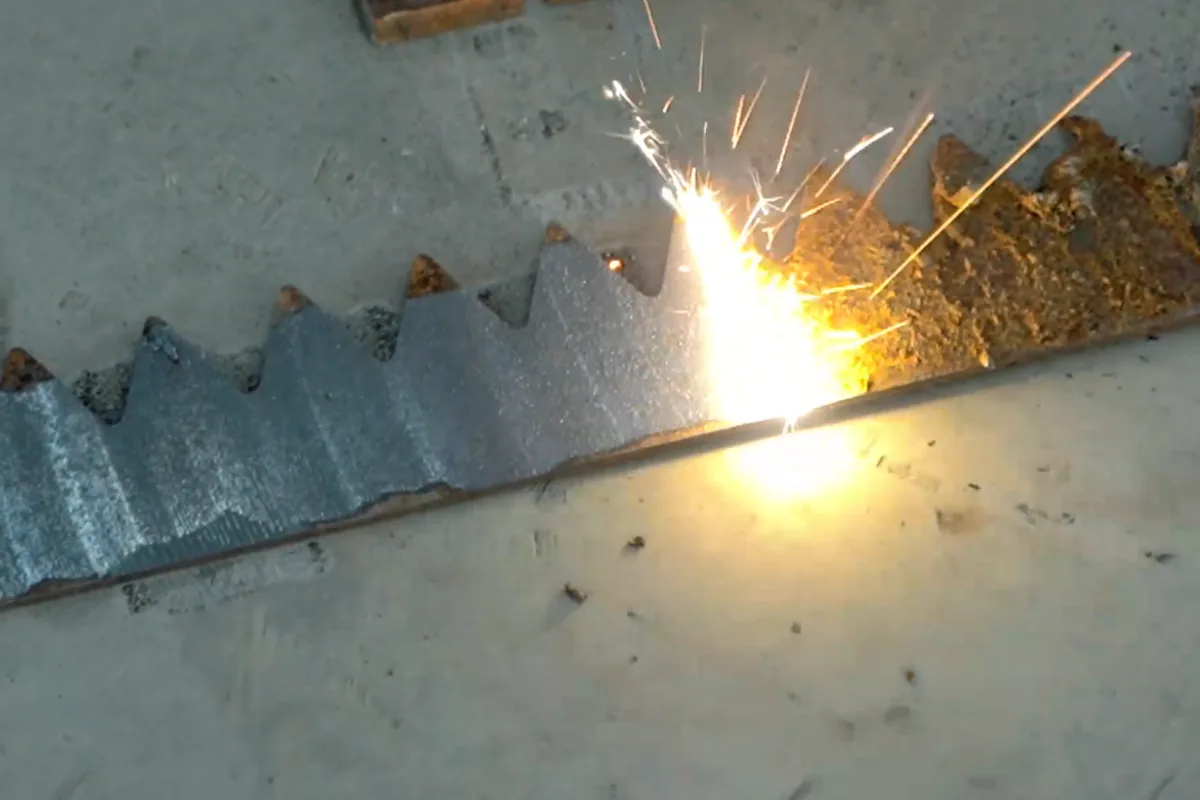
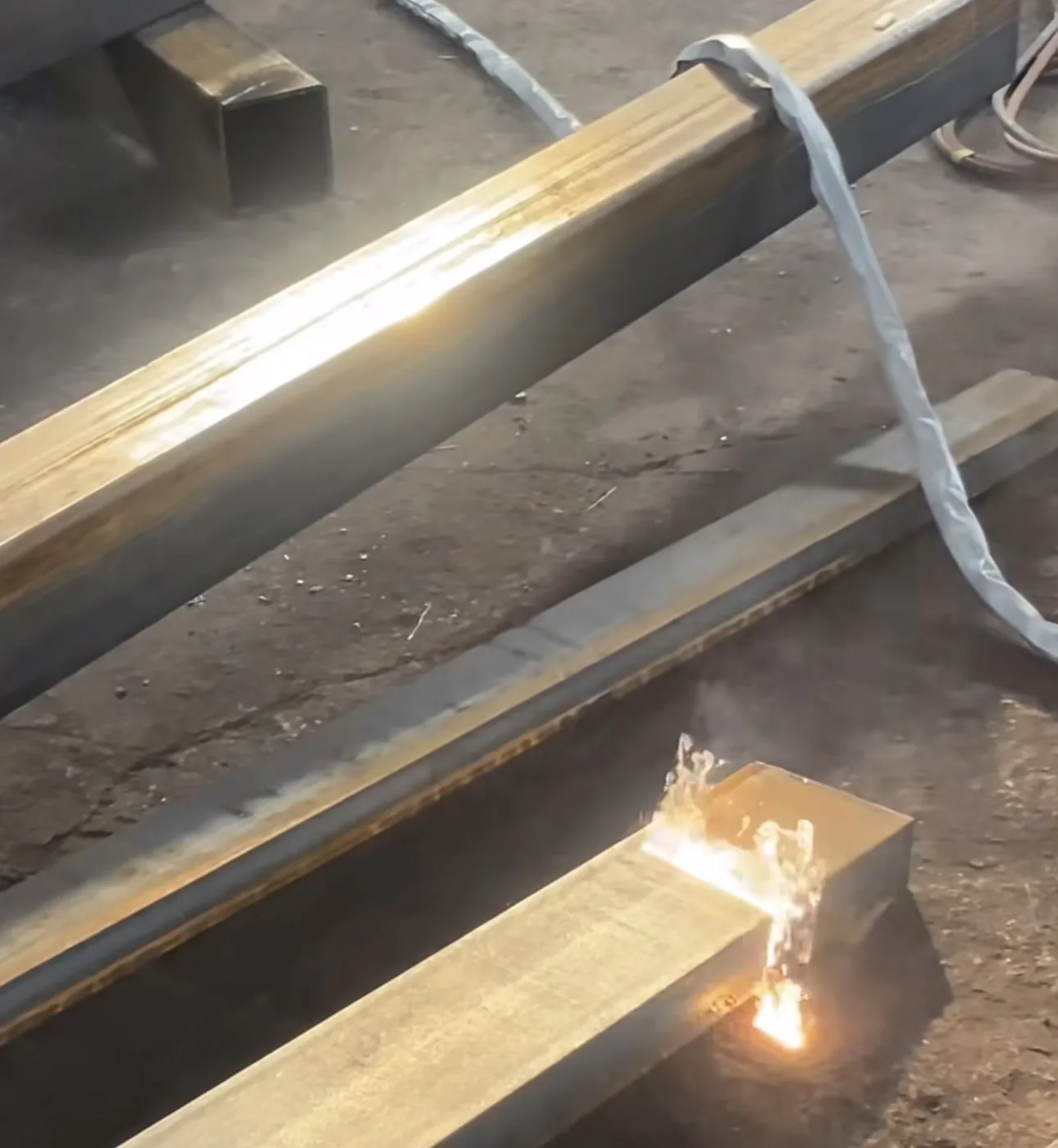
Laser surface preparation in a steel yard: continuous fiber laser stripping rust from box section beams, sparks at the cleaning point

Contract Job Costs From Mobilization to Demobilization

One contract job, from the day you arrive to the day you hand the surface back. The upper lane is the method you run now; the lower lane is the same stage on a laser job.

Compare laser with
Abrasive blastingChemical strippingGrinding Job stage
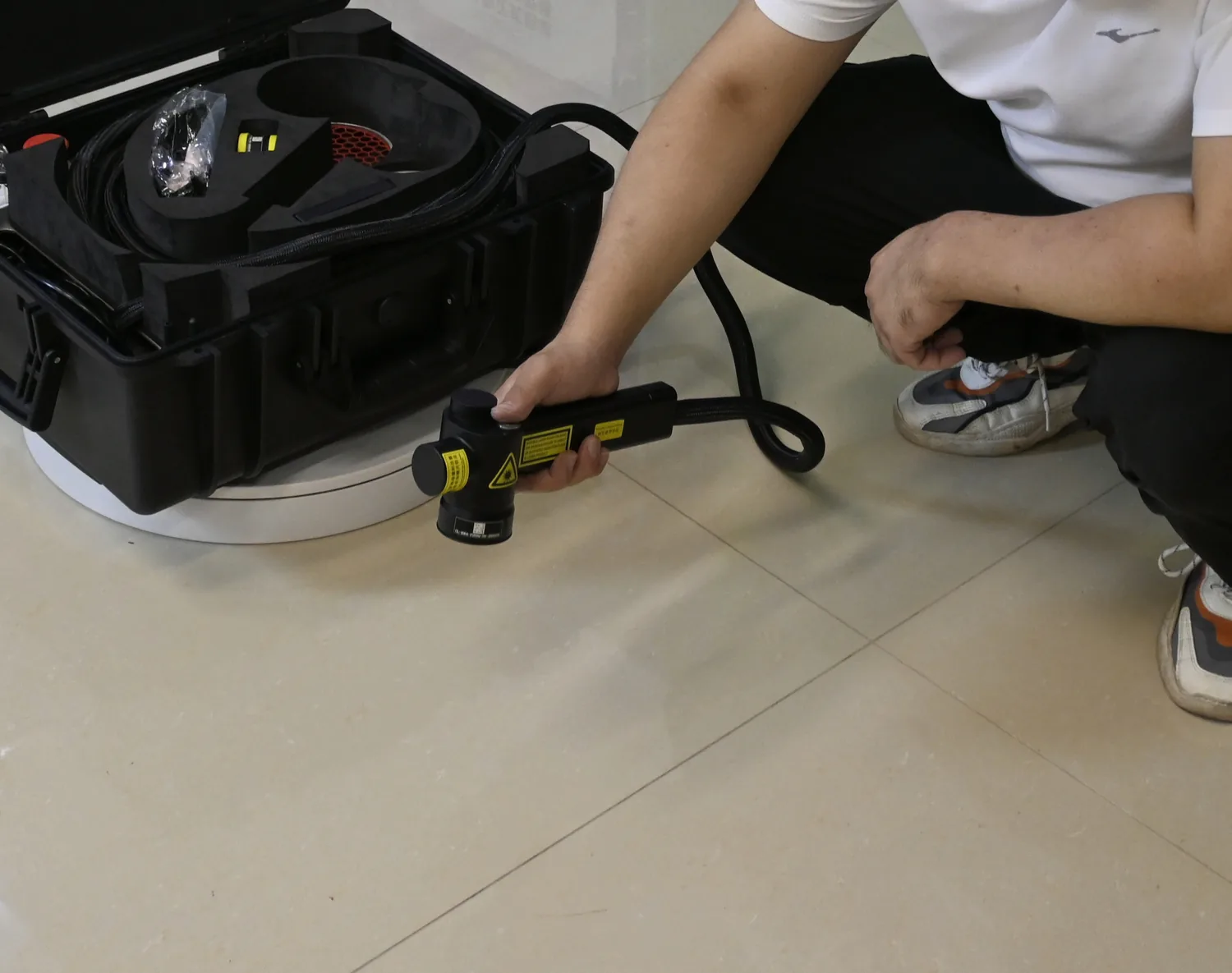
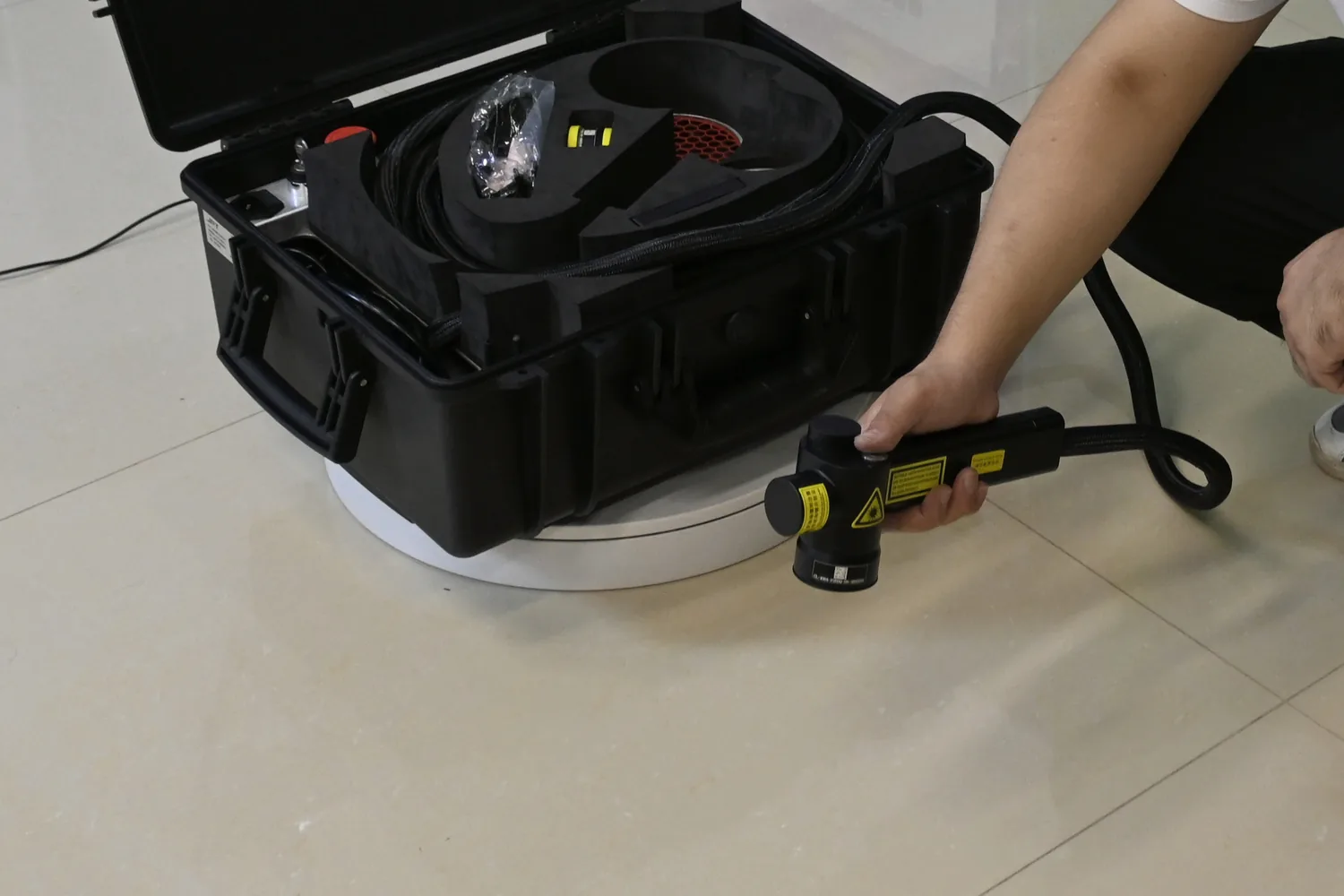
Portable laser cleaning unit opened at the work point with the cleaning head in hand
Laser cleaning
Compressor, blast pot, hoses and media stock trucked in.Stripper stock, trays or tanks and rinse water.Grinders and disc stock.

Mobilization

One laser unit, its fume extractor and screens. The supply at the work point decides which unit goes out.
Enclosure to hold media and dust; everything nearby masked.Containment for runoff and drips.Shielding against sparks and dust.

Containment and masking

A marked laser area with reflection screens. Masking covers only what the beam could hit.
Media used up on every square meter. Grit reaches bearings, slideways and electrical cabinets nearby.Stripper used up on every coat: apply, wait, scrape, rinse. Splash and vapor near the work.Discs wear out on every part, worked by hand. Sparks and dust near the work.

Cleaning

Electricity, with the protective lens as the wear part. No media is thrown, so the plant beside the crew keeps running uncovered.
Spent media mixed with the removed coating, recovered and disposed of.Used stripper and sludge disposed of.Grinding dust and used discs.

Waste removal

The removed layer goes into the fume extractor. No spent media leaves the site.
Media recovery, then teardown. A profile is cut into the steel and grit can lodge in it.Residue to rinse off before coating.Some base metal removed, scratch pattern left.

Handover

Bare base material, no profile cut and no media in the surface for the coating crew.

Coating specification calls for a blast profile? Where blasting keeps the edge

Line Items You Stop Paying For, and Those That Stay

No saving or payback figure from us: it depends on your media, your disposal costs and your job mix. Enter your own cost per line for one typical job.

Off a laser job

  • Blast media purchase, delivery and storage on site
  • Media recovery and spent-media disposal
  • Containment tent build, teardown and transport
  • Solvent stripper, rinse water and sludge disposal
  • Grinding discs, and the base metal they take off with the layer

Still on the job

  • Electricity at the work point24 V / 48 V for the trolley case, 220 V for the MW-LY pulsed cabinet, 380 V for the 3000 W MW-LCW
  • Protective lens for the laser cleaning head, the wear part on a laser jobProtective lens replacementThe lens sits between the head optics and the fume off the surface, so it wears and is replaced from spare parts
  • Fume extractionAt every cleaning point
  • Screens, eye protection, maskingFor each laser area
  • Operator hoursSet by the area and the reference rate for your layer

Amounts stay in your browser; nothing is sent. Hours per job: estimate from reference rates

Jobs a Laser Lets Your Crew Take On

Work that is hard to take with blasting equipment.

  • Portable laser cleaner opened beside installed equipment for on-site cleaning

    Equipment inside running plants

    No grit is thrown, so the line beside the work keeps running and nothing nearby needs covering. Laser cleaning for industrial maintenance

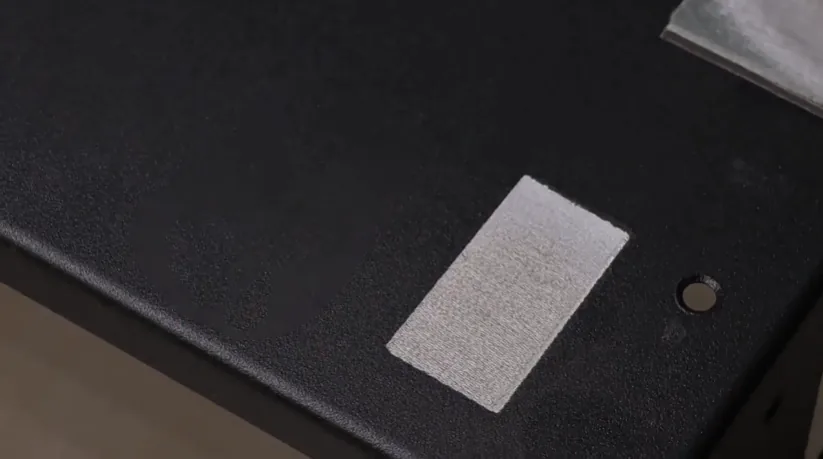
  • Thin cover sheet with a bare metal window cleaned through its black coating

    Thin and precision parts

    A pulsed laser has low heat input and nothing strikes the part: thin sheet, machined faces and finished parts are cleaned without impact.

  • One rusted spot cleaned locally on a steel part

    Local cleaning

    The beam starts and stops where you point it. A weld seam, a repair patch or one damaged zone is cleaned without containing the whole structure.

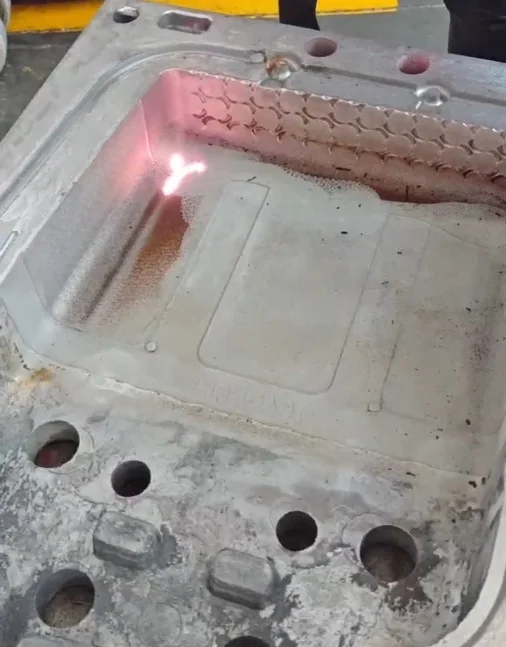
  • Mold cavity cleaned with no grit left in recesses

    Parts that must not keep abrasive

    Molds, cavities, assemblies and machined parts come off the laser with no grit lodged in recesses, threads or bores.

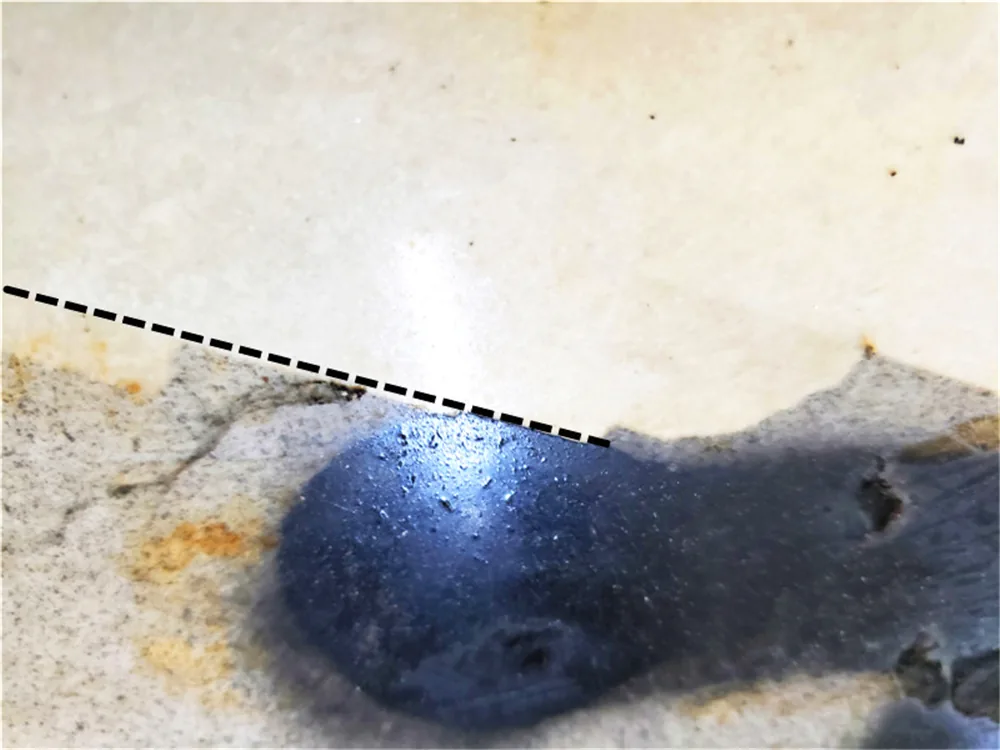
  • Marble slab cleaned of staining up to a marked line

    Sites sensitive to dust and noise

    Indoor work, occupied buildings and stone or architectural surfaces get no blast stream and no media cloud. The sound comes from the unit fans and the extractor.

Jobs Where Blasting Keeps the Edge

Heavy rust crust on an outdoor steel beam with one cleaned patch
Heavy scale over a large frame
Large, low-value steel priced per m²
With your blast setup already running, containment and recovery in place, the media and waste you save may not cover the machine on that job. A continuous laser does not always win there either.
Coatings specified over a blast profile
The laser returns a bare surface without cutting a profile. Check the coating spec before switching that step.
Heavy scale over large areas
Beyond the portable units, which are sized for thin oxide and light rust.
Jobs we do not recommend a laser for

Machine Choice for Transport and Site Power

The weight decides how the unit reaches the job; the supply decides where it can run.

UnitMachine weightSupplyContract use
MW-LC50 backpack laser cleanerMW-LC50 backpack50 to 200 W pulsed
12 kgConfirmed with the quoteWork at height, inside vessels and tight spaces; thin layers
MW-LC trolley case laser cleanerMW-LC trolley case100 to 300 W pulsedFirst unit for crews that move daily
25 kg24 V / 48 VField jobs reached by service vehicle; thin layers and light rust
56 kg220 VPrecision and finished parts in your shop or on a plant floor
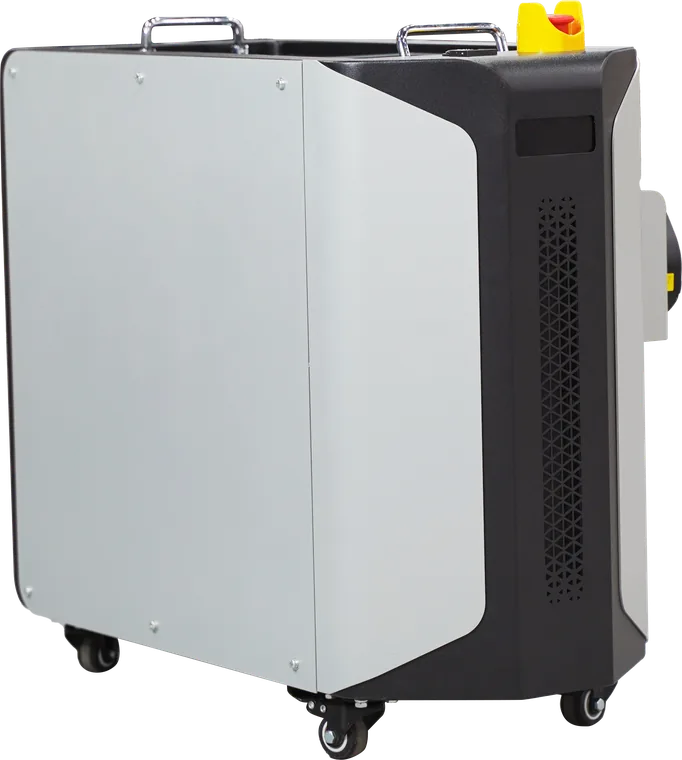
MW-LCW water-cooled continuous laser cleaning cabinetMW-LCW continuous cabinet1500 to 6000 WFor steel brought into your yard
166 kg with chiller380 V 3000 W modelHeavy rust and thick paint on large steel in a fixed yard

On sheet below 4 mm, continuous-laser paint removal may distort the panel, so thin work goes to a pulsed unit. Pulsed vs CW laser cleaning machine

Estimating Job Duration From Reference Rates

Laser time follows the area and the layer, so you can estimate it before you price the work.

  1. Measure the area per layer type

    Keep painted and rusted areas apart; they run at different rates.

  2. Take the reference rate

    For the line and power level you will bring, from the table.

  3. Divide area by rate

    The result is beam-on hours.

  4. Add the margin

    Edges, corners and recesses, second passes on heavy spots, and setting up the laser area, screens and extractor at each move.

  5. Replace the rate with your own

    Once on the job, time a measured patch on the real surface.

LinePaint and coatingsRust and oxide
MW-LCW continuousapprox. 10 to 20 m²/h1500 to 6000 Wapprox. 5 to 10 m²/h2000 to 6000 W
MW-LY pulsedapprox. 5 to 8 m²/h100 to 200 Wapprox. 0.5 to 1 m²/hdeep rust
MW-LC trolley caseapprox. 5 to 8 m²/h100 to 200 WThin oxide and light rust only
MW-LC50 backpackapprox. 4 to 8 m²/h50 to 200 WThin oxide and light rust only

Approximate; rates change with the material and the thickness of the layer. The price you quote your client stays yours to set.

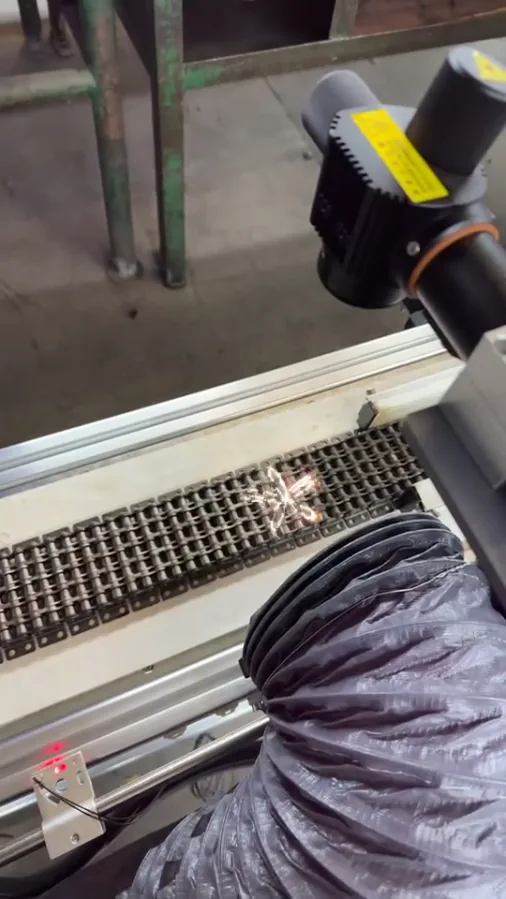
Laser surface preparation with a continuous laser: rust removed along a steel edge, beam time set by area and layer
Continuous laser on rusted steel

A Rate Estimate for Your Surface

Send photos of the surface. The engineer gives a rate estimate for your layer and power class.

Cleaning head working over a part with a flexible fume extraction duct beside it
Extractor at the cleaning point
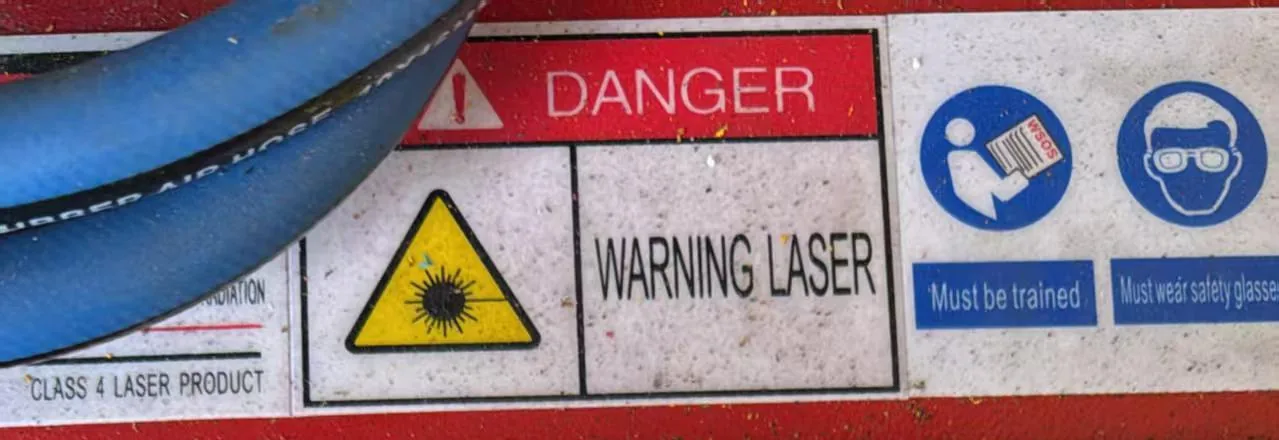
Class 4 laser warning and eye protection labels on the machine
Class 4 labels

Laser Area and Fume Extraction on Contract Sites

Every line we supply is a Class 4 laser. On a contract site each work area is set up the same way.

  • Marked areaEach work area is marked off before the beam goes on.
  • Eye protectionPeople inside the area wear laser eye protection.
  • ScreensScreens stop reflections from bright metal.
  • ExtractorThe fume extractor runs at the cleaning point throughout.

Area setup and protective equipment: support and maintenance

Support for Contractor Crews After Delivery

A new operator learns the machine from the same material as the rest of the crew.

In the box
Installation instructions, operating tutorials and maintenance videos for every crew member.
Equipment record
Kept for every unit. When a lens or a setting needs attention on a job, our engineers work with your operator over video from that record.
Spare parts
Matched to the configuration you bought.
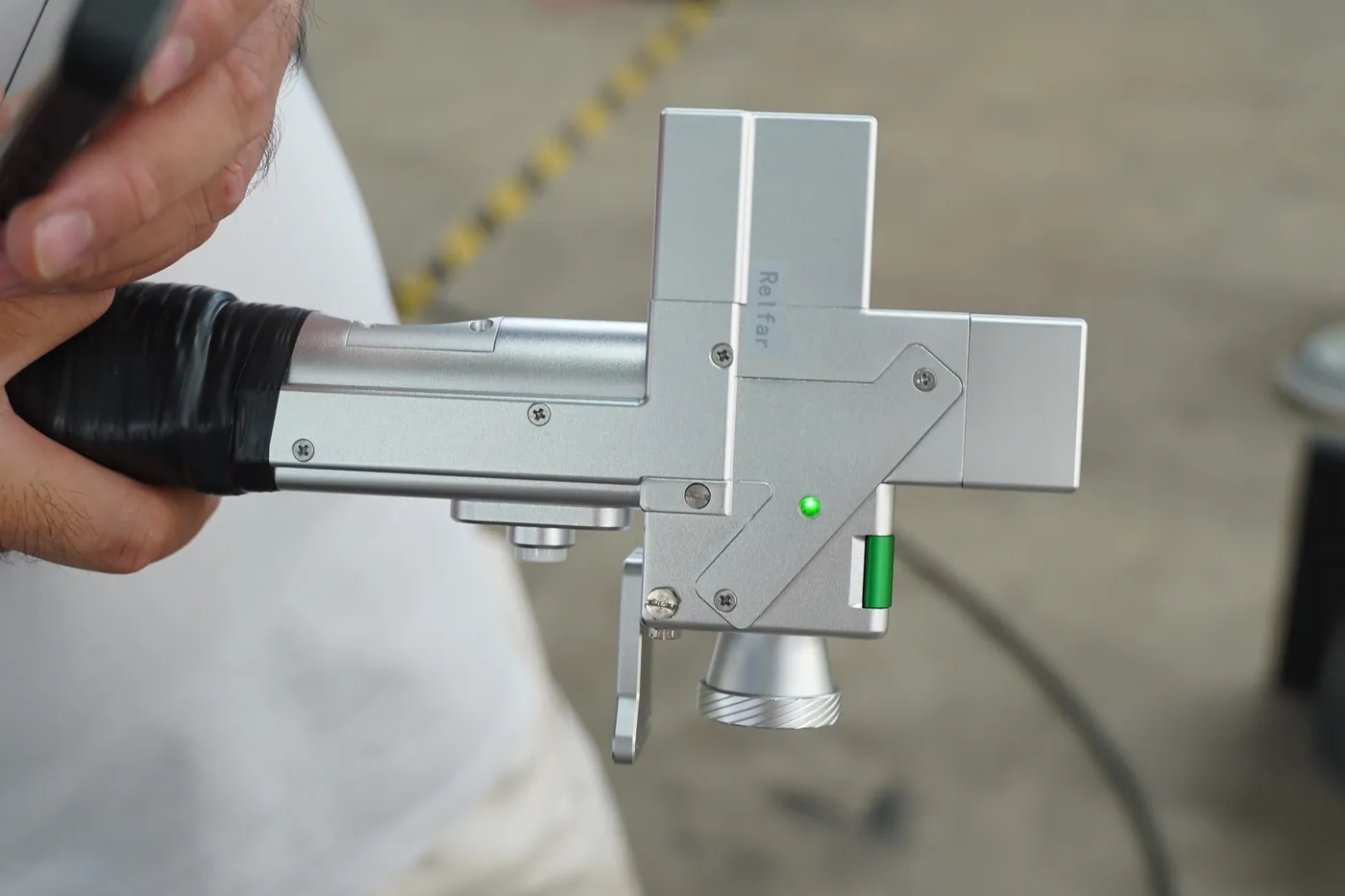
Handheld laser cleaning head held up to check the optic
Cleaning head optic check

Get a Project Quote

An engineer recommends the line and power level for your contract work.

What to send

  • Substrate and thickness, and the layer to remove.
  • Area of a typical job, where your jobs run and the power available there.
  • Blast profile: whether the coating spec calls for one.
  • Your country and photos of the surface.

Phone / WhatsApp: +86 15327155363 · Call