Laser Mold Cleaning Machine: Remove Mold Residue With No Abrasive Contact on the Cavity

MAXWAVE supplies laser mold cleaning machines to tire, rubber, injection and die-casting molders and the mold shops that look after their tooling.

The beam lifts release agent, cured rubber, plastic residue and carbon off the cavity while the head stays clear of the surface. No grit, brush or pellet touches the mold.

Settings
Pulsed, multimode, matched to textured cavities and lettering
Residue
Release agent, rubber, plastic, carbon and light rust
Machines
MW-LY pulsed cabinet · MW-LC trolley case at the press
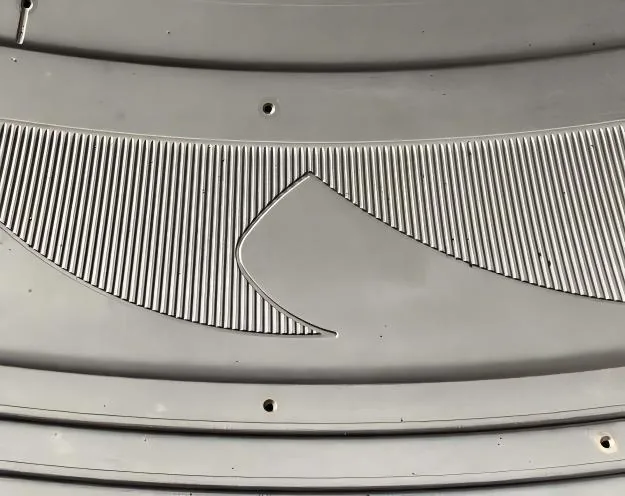
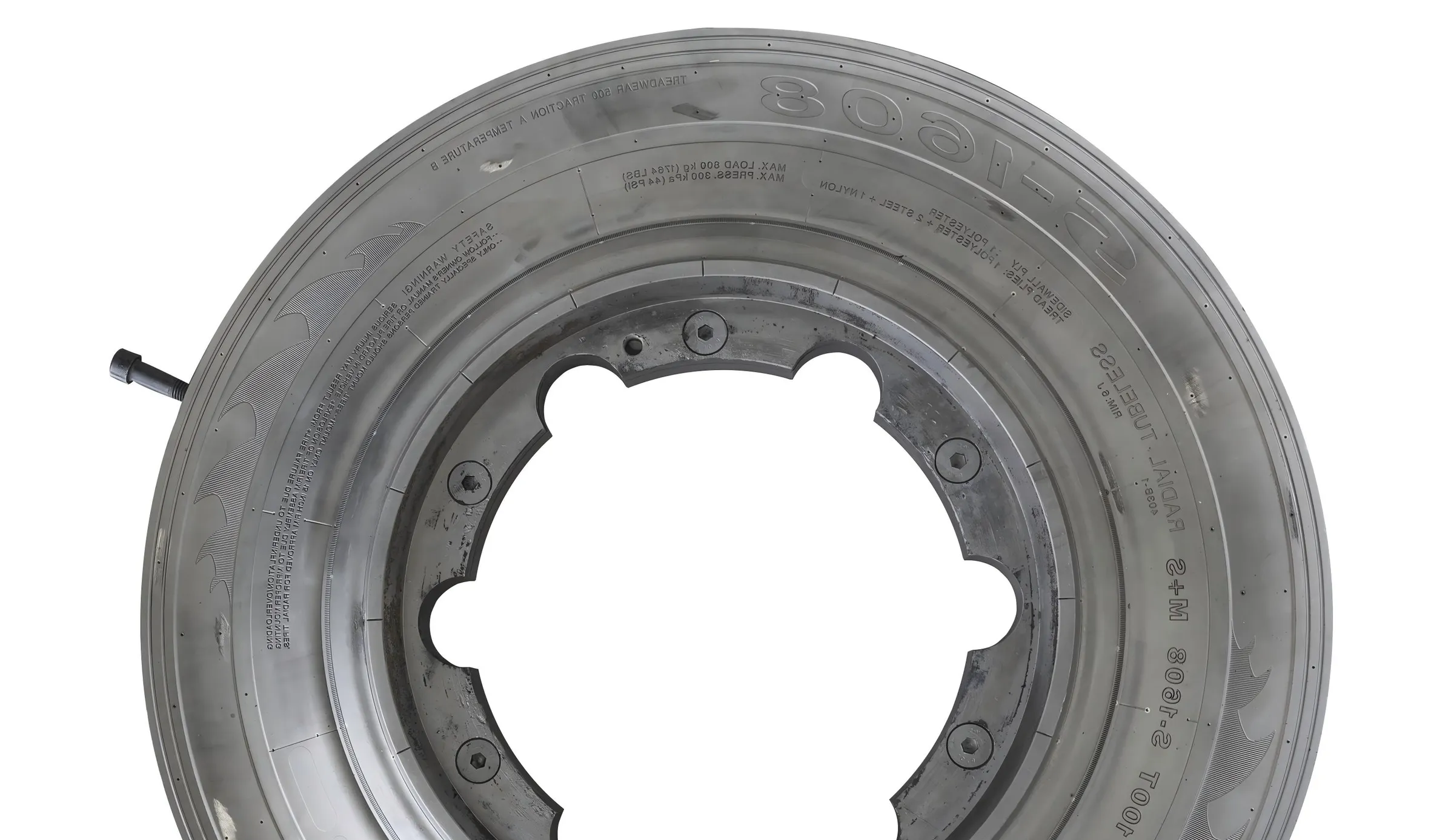
Laser mold cleaning machine application: steel tire sidewall mold ring with fine texture, mirrored lettering and vent holes
Sidewall moldTexture, lettering, vents

Cavity Texture, Lettering and Vents Kept Intact

A cleaned mold is only worth putting back if the surface that forms the part is unchanged.

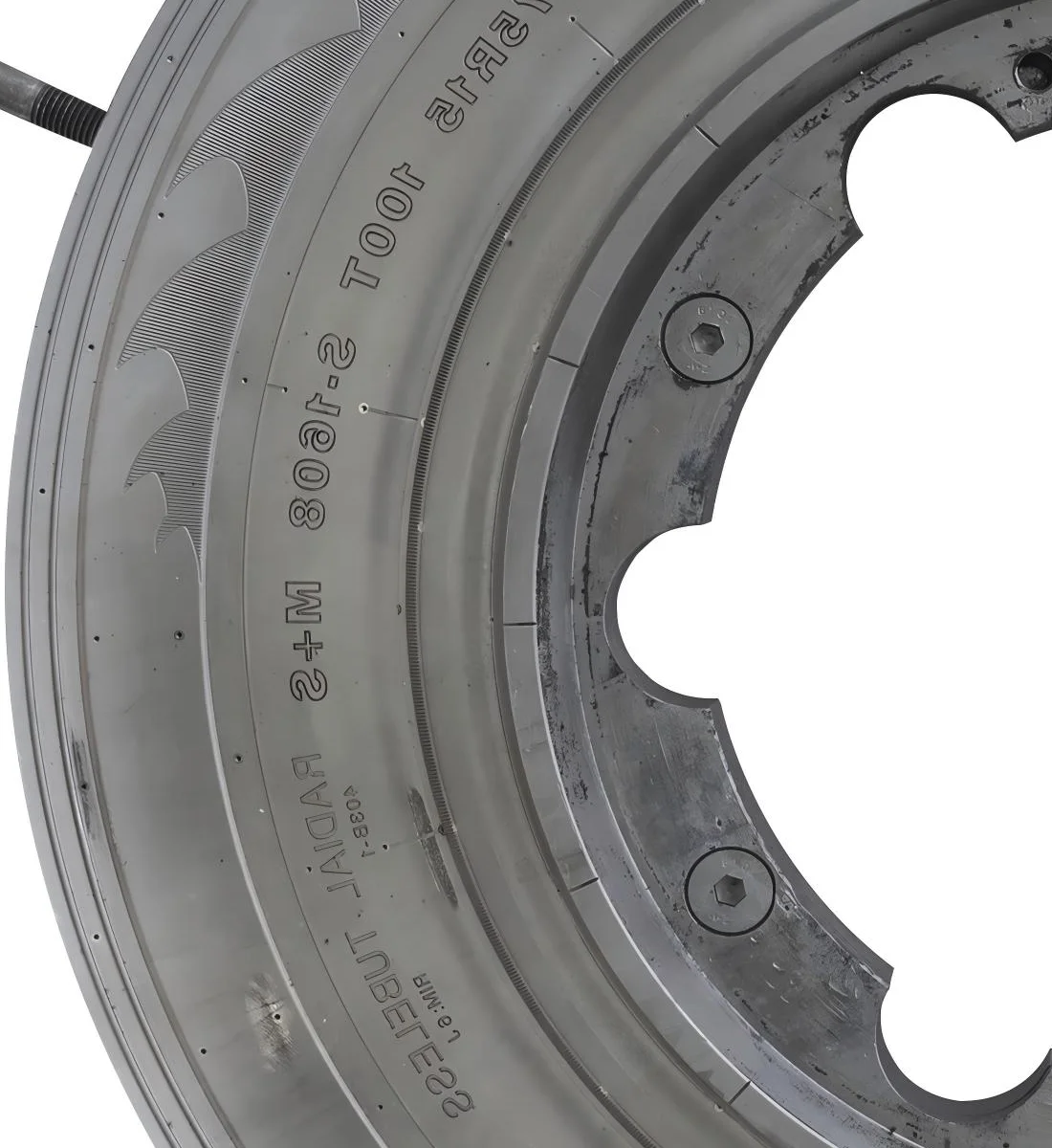
Laser mold cleaning close-up of a tire sidewall mold: fine texture grooves, raised lettering and small vent holes in the steel
Tire sidewall mold, the three features at risk

Three features of the cavity carry the most risk during cleaning:

  • Texture and grain

    The fine surface pattern the molded part copies. Its peaks are the first thing an abrasive wears down.

  • Lettering and engraving

    Sidewall text on tire molds, logos, date marks and part numbers. Their sharp edges round off under media and wire brushes.

  • Vents

    Vent holes and slots that let air out of the cavity. Blasting media can lodge in them and has to be cleared before the mold runs again.

How the laser leaves them as they were

The head works at a working distance from the cavity: nothing rubs or strikes the surface, and no media is left to find its way into a vent. The residue turns into fume and fine particles at the cleaning point, where the fume extractor takes it.

What stays on the mold is the steel surface, with its texture, edges and lettering as they were.

Before-and-after photos of laser-cleaned molds

Pulsed Multimode Settings for Mold Cavities

Mold cleaning runs on our pulsed line, and each setting has a job on the cavity.

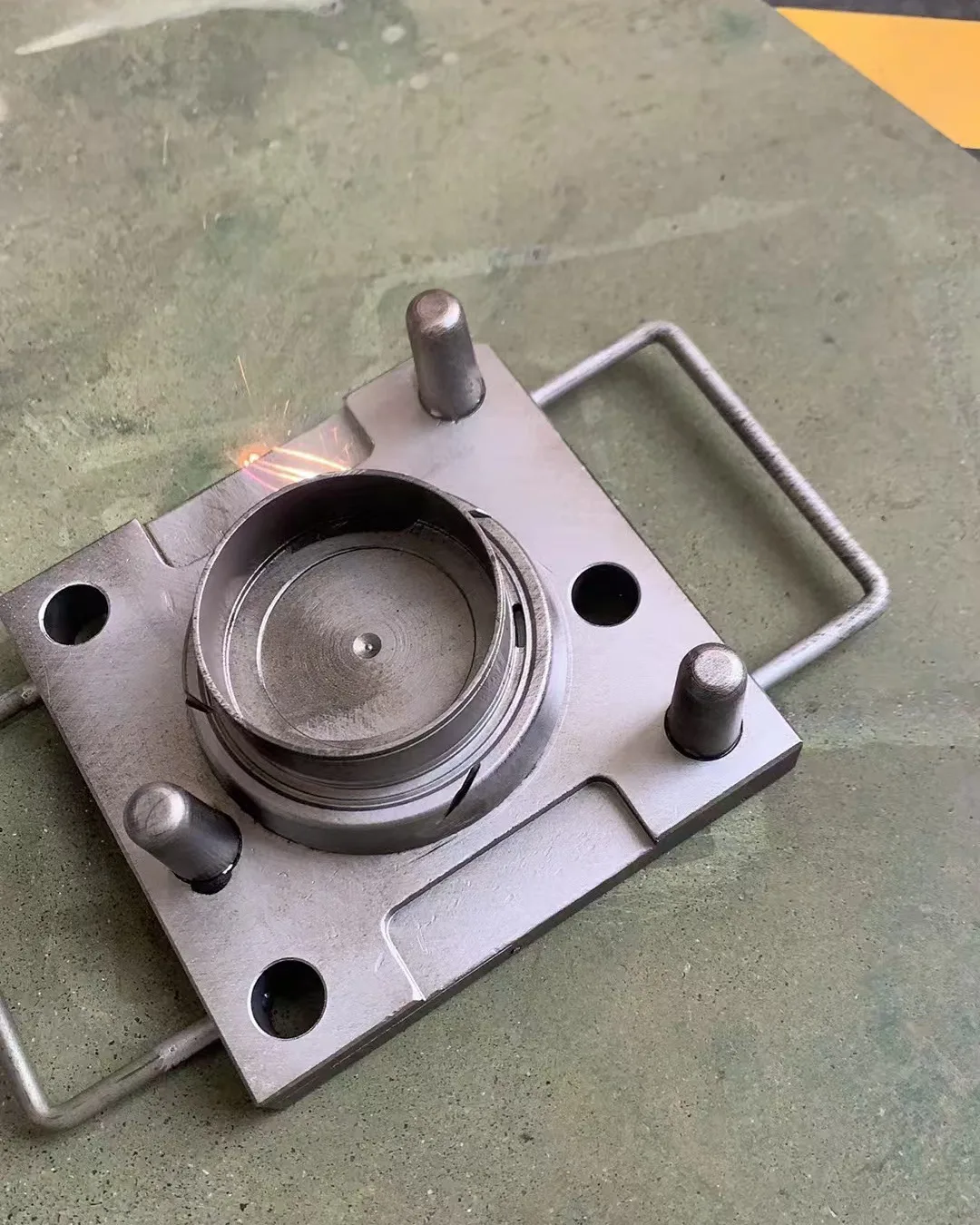
Pulsed laser mold cleaning on a steel mold base, sparks at the rim of the round cavity
Pulsed cleaning at the cavity rim of a mold base
Reference rate, 300 W pulsed about 5 to 7 m²/h

From our product data for mold cleaning. The rate moves with the residue, its thickness and the detail of the cavity: a reference, not the figure for your mold.

Scan fields and specifications per model
  • Pulsed laser for low heat

    The MW-LY delivers its energy in short pulses, so the residue layer heats and lifts off while the mold steel underneath takes up little heat. At 1064 nm, release agent, rubber and carbon absorb much more of the beam than bright mold steel does.

    The cavity comes out clean with no heat marks on finished faces, in the shape it was cut to.

    • 13 to 500 ns pulses
    • 1064 nm
  • Multimode source for the least surface damage

    Single mode gives the higher removal rate and is our choice where paint removal speed comes first.

    Multimode does the least damage to the surface at a lower cleaning rate, and it is the source we specify for textured cavities, lettering and polished faces. On a mold the surface decides, so the slower source is the right one.

  • Scan pattern sized to the detail

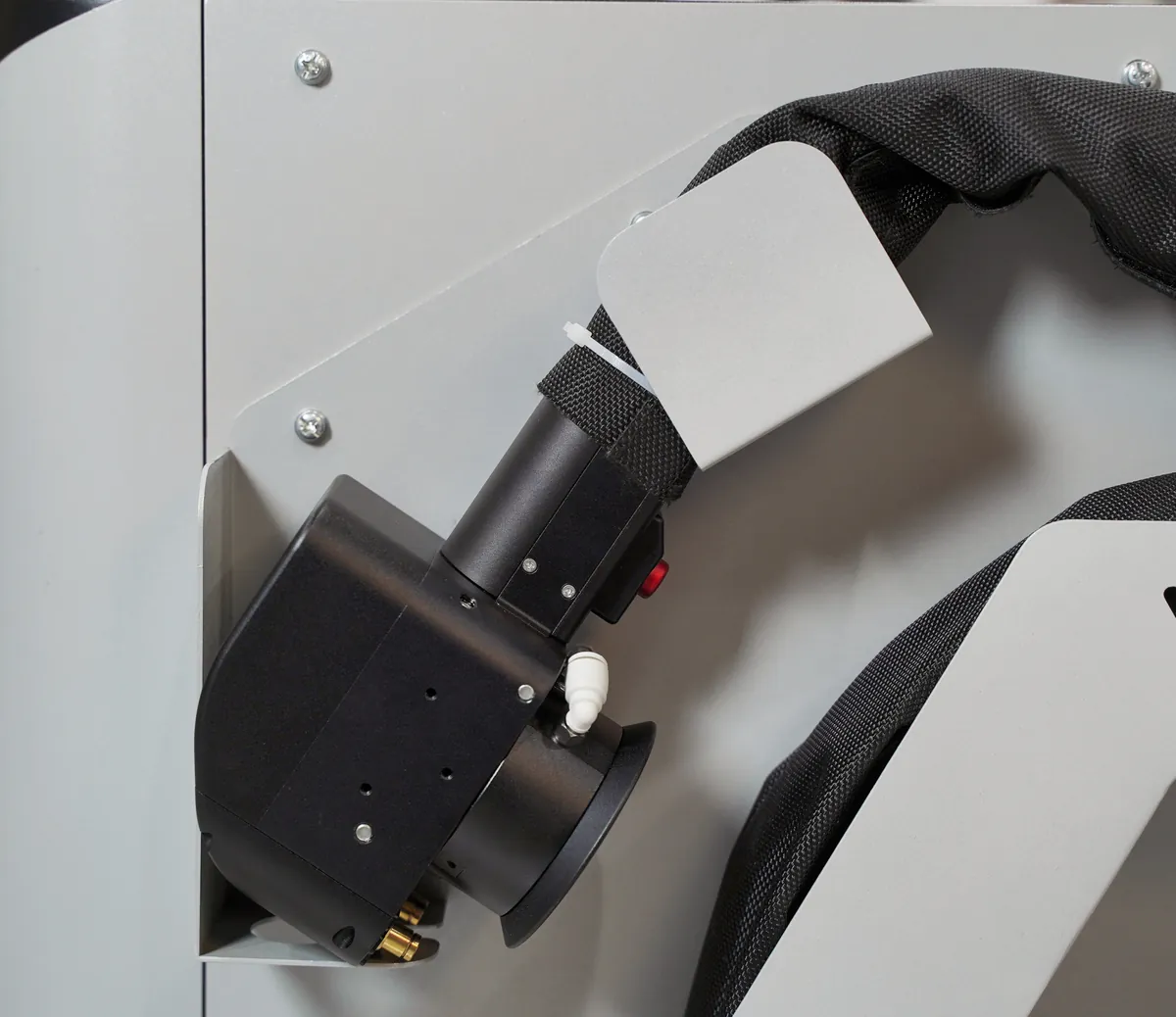
    The double-swing head scans the beam in a 2D pattern, and the operator sets the width to the feature. Outside the set width the cavity is not scanned, and each pass comes out even, so the same texture is not gone over again and again.

    Schematic, not to scale: a narrow scan band along a lettering row, or a wide scan field across a flat parting face RADIAL TUBELESS parting face lettering row and ribs

    Schematic, not to scale. Shaded area = the width the operator sets.

  • Power and saved settings

    Laser power adjusts from 0 to 100%, so one machine runs lower power on fine engraving and more on heavy release-agent build-up.

    The settings for each mold are stored on the machine and called up the next time that mold comes in, so a new operator starts from values already proven on it.

    • 0 to 100% power
    • Usually LY300 to LY500 for molds

Mold Cleaning in the Press or on the Bench

Clean the mold where it is: mounted between runs, or out on a station for full maintenance.

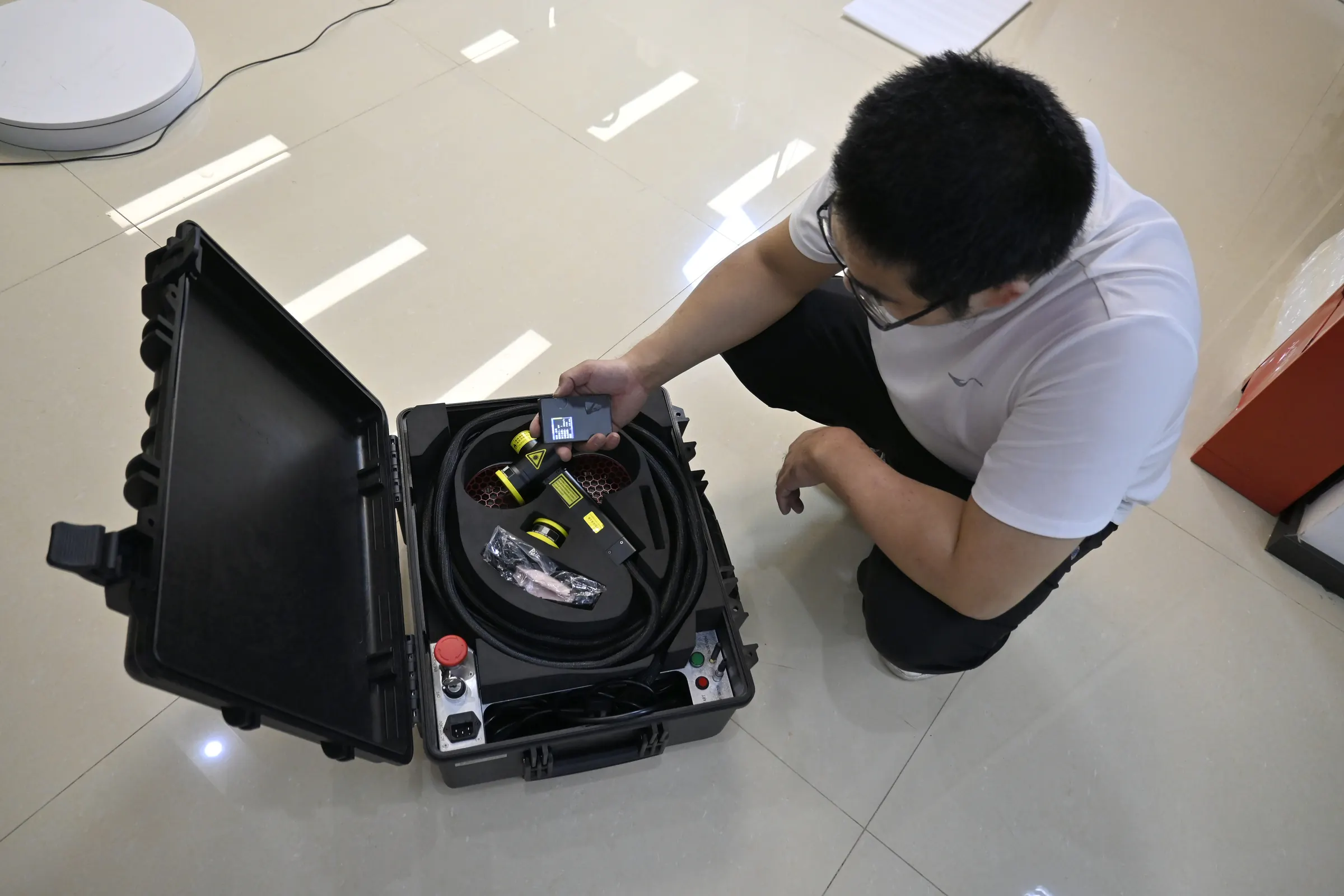
MW-LC trolley-case laser cleaner opened on the shop floor, ready for spot mold cleaning at the press
MW-LC trolley case, rolled to the work area

In the press

The mold stays mounted. The beam brings no water, solvent or blasting media into the press: nothing to rinse off the tooling, nothing to sweep out, no lifting out and setting up again.

  • Machine to the pressThe MW-LC trolley case rolls in for spot cleaning at vents, lettering and edges. The MW-LY cabinet also moves on wheels and runs on 220 V, for larger areas the head can reach.
  • Access in line of sightThe press open and a clear view of the area: the beam cleans what it can see.
  • Mold temperatureCleaned warm straight after a run, or after it cools: our engineer confirms it for your mold, residue and press.

Laser area: the open press is screened off for the time of cleaning, with a fume extractor nozzle close to the cavity.
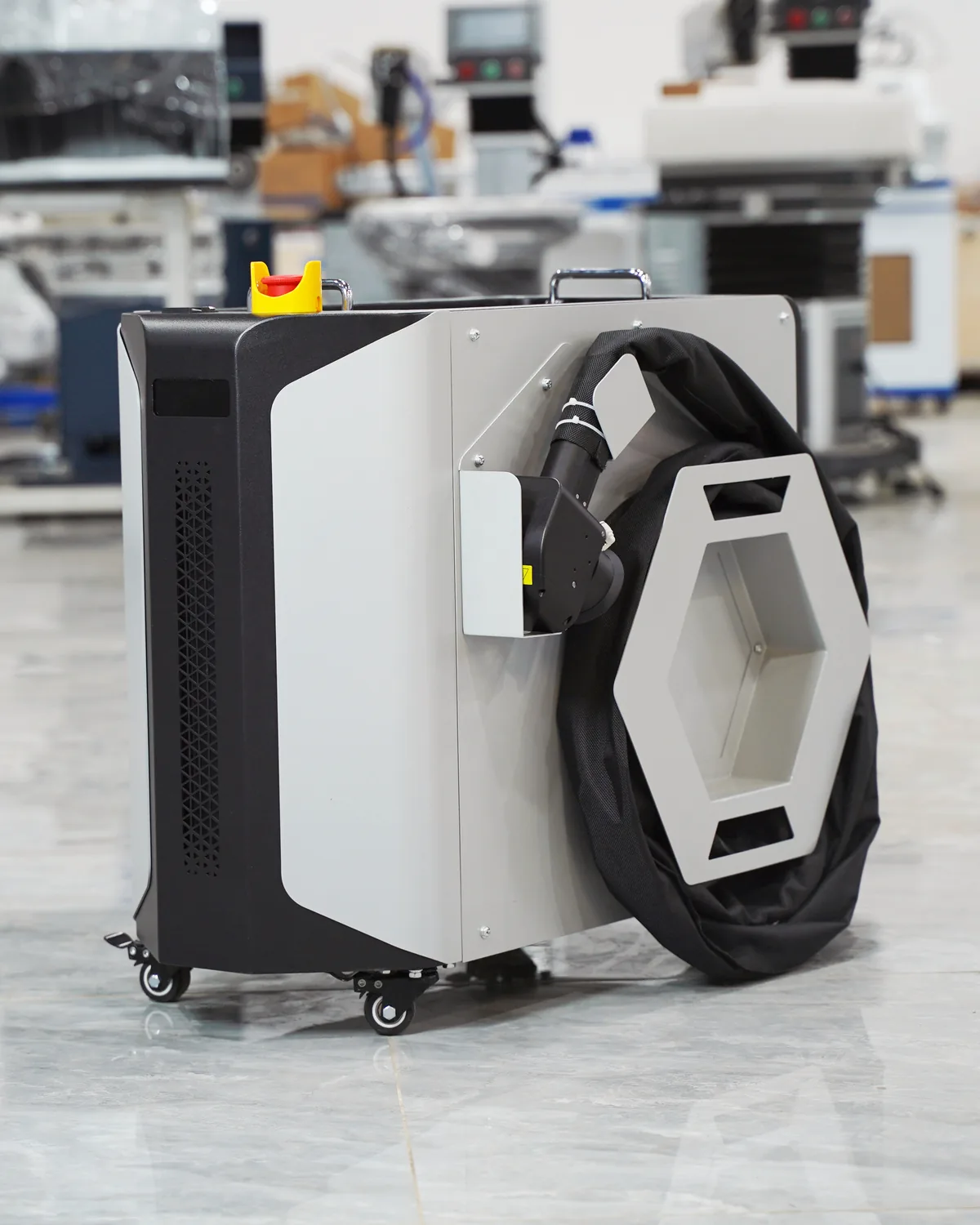
MW-LY air-cooled pulsed laser cleaning cabinet on wheels for a mold cleaning bench
MW-LY pulsed cabinet for the bench

On the bench

When a mold comes out for maintenance, a mold change or a full cleaning, it goes to a cleaning bench or a fixed station with the MW-LY beside it.

  • Full cavity cleaningEvery face, insert and detail is reachable. The operator works through the mold section by section, changing the scan pattern for each feature.
  • Large tooling with heavy depositsWhere the surface is large, deposits are heavy and time matters more than fine texture, the MW-LCW continuous machine is faster. Water-cooled CW laser cleaning machine

Fixed laser area: the station is screened once, with the fume extractor mounted at the bench, so molds come and go without setting up the area again.

Class 4

All four MAXWAVE lines are Class 4 laser equipment. In the press or on the bench, operators wear laser eye protection, bright mold steel is screened as a reflecting surface, and fume extraction runs at the cavity throughout. Setup, operator training and spare parts

Mold Residues the Laser Removes

Five deposits, taken off down to the mold steel.

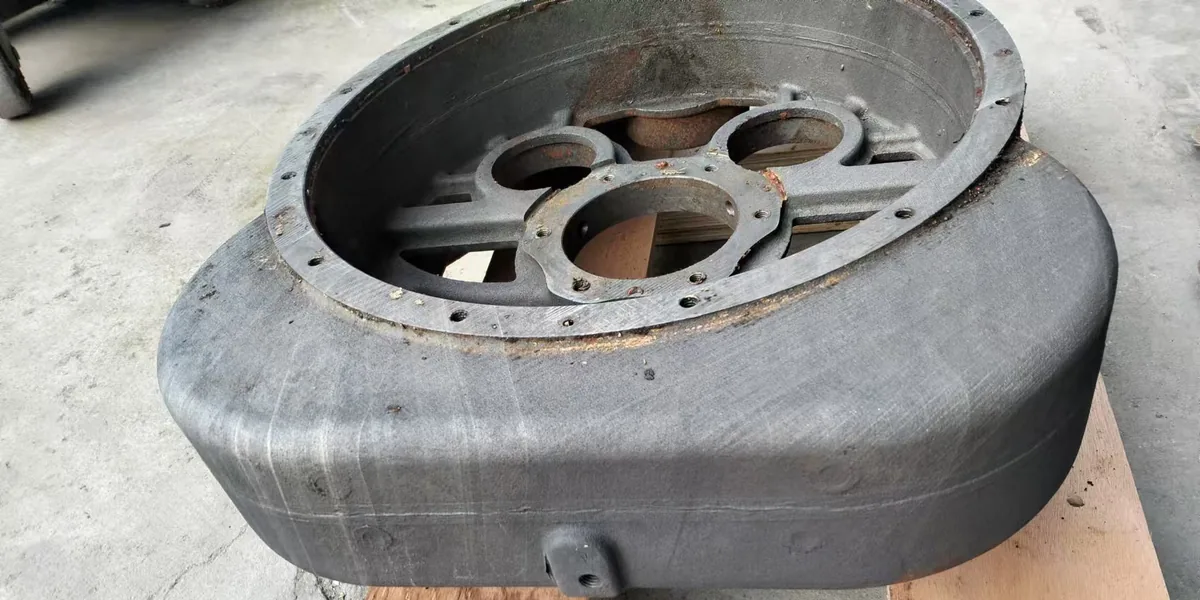
  • Die-casting mold housing for laser cleaning of release agent build-up
    Die-casting mold

    Release agent

    Built-up layers on die-casting, rubber and tire molds.

  • Tire mold tread texture with vent holes after laser mold cleaning
    Tire mold

    Rubber and vulcanization residue

    Cured rubber film baked onto tire and rubber mold cavities.

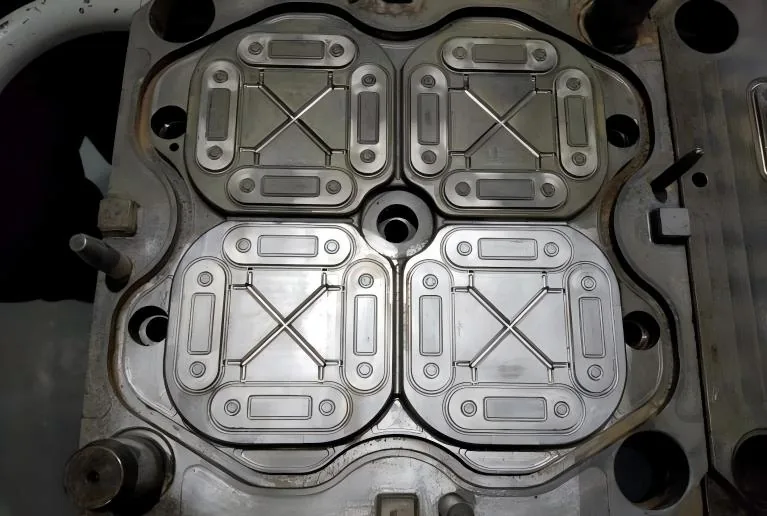
  • Four-cavity injection mold for laser cleaning of plastic residue around vents and edges
    Injection mold

    Plastic residue

    Plastic film and deposits around vents and edges of injection molds.

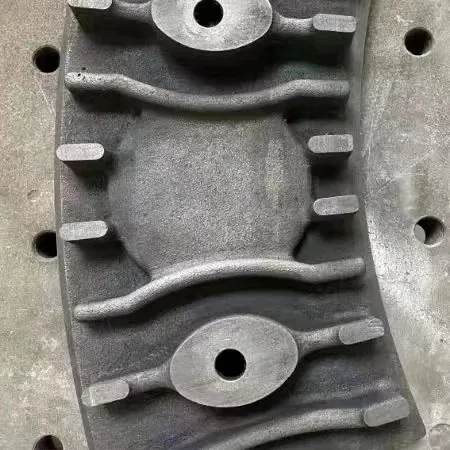
  • Mold cavity insert with dark deposits for laser cleaning of carbon
    Cavity insert

    Carbon deposits

    Dark layers from heat and burnt residue on the cavity and around vents.

  • 2 passesfor light rust after storage

    Mold rust

    Light rust off mold faces, with no loose rust powder left on the cavity.

Mold Settings From One Cavity Photo

Send the cavity and a close-up of the residue. Our engineer recommends the machine and the settings.

Laser Mold Cleaning Against Dry Ice, Chemicals and Blasting

Contact, consumables, clean-up and what each method does to the cavity.

MethodContact with the cavityWhat you buy and storeClean-up afterEffect on texture, lettering and vents
Dry ice blastingPellets strike the surfaceDry ice pellets, supplied and stored coldNo media left; the removed residue falls around the moldCleans by impact; no media to clear from vents
Chemical cleaningChemical in contact with the surface, often in a soakCleaning chemicalsRinsing, drying, spent chemicals to collect and dispose ofNo mechanical wear; the mold comes out of the press for the soak
Sand, grit or bead blastingAbrasive media strikes the surfaceBlasting mediaMedia to recover from the mold, the vents and the work areaWears texture peaks and edges with repeated cleaning; media can lodge in vents
Pulsed laser cleaningNo contactNo media, pellets or chemicalsResidue taken as fume by the extractorTexture, lettering and edges keep their form; nothing enters the vents

Cost structure of laser cleaning against blasting, chemicals and grinding: laser surface preparation for contractors

Working Limits on Molds

Three things to know before the first mold goes under the beam.

  • Deep vent channels

    The laser cleans residue at the vent opening and the surface around it. Residue deep inside a narrow vent channel, out of line of sight, is not reached.

  • Worn or damaged texture

    The laser removes residue. It does not restore texture or edges already worn by earlier cleaning or production.

  • First settings on a new mold

    A new mold steel, surface finish or residue gets its first settings proven on a small area of the cavity before the whole mold is cleaned.

Send Your Mold Cleaning Requirement

Our engineer recommends the machine and the settings from your mold, your residue and a photo of the cavity.

What to send

  • Mold type and steel: tire, rubber, injection or die-casting.
  • Residue: release agent, rubber, plastic, carbon or rust.
  • Where you clean: in the press or on the bench.
  • Molds per week and your country.
  • Photos: the cavity, plus a close-up of the residue at the texture, lettering or vents.

Phone / WhatsApp: +86 15327155363 · Call