Laser Cleaning Before and After: The Same Surface on Rust, Paint, Oxide and Molds
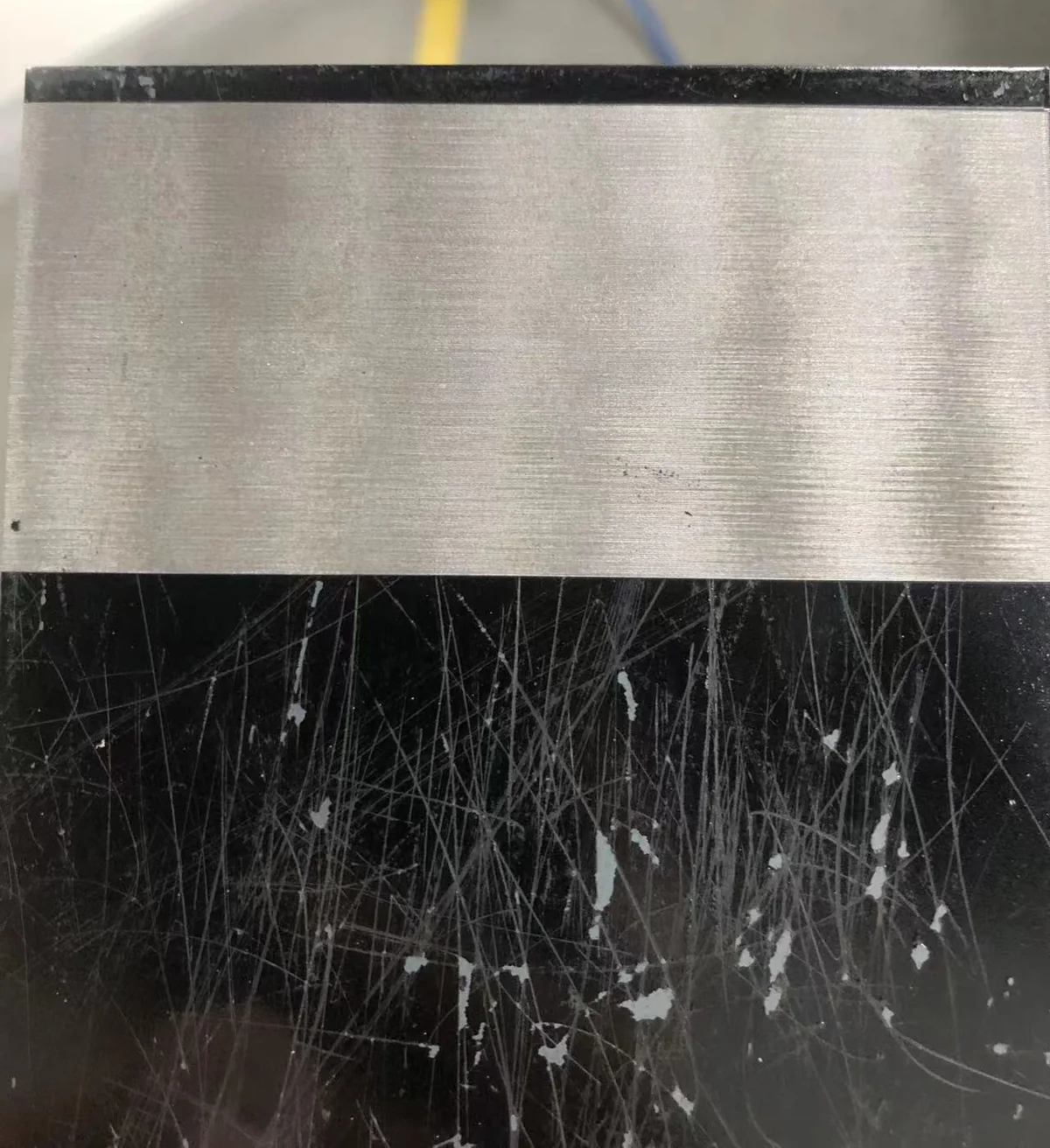
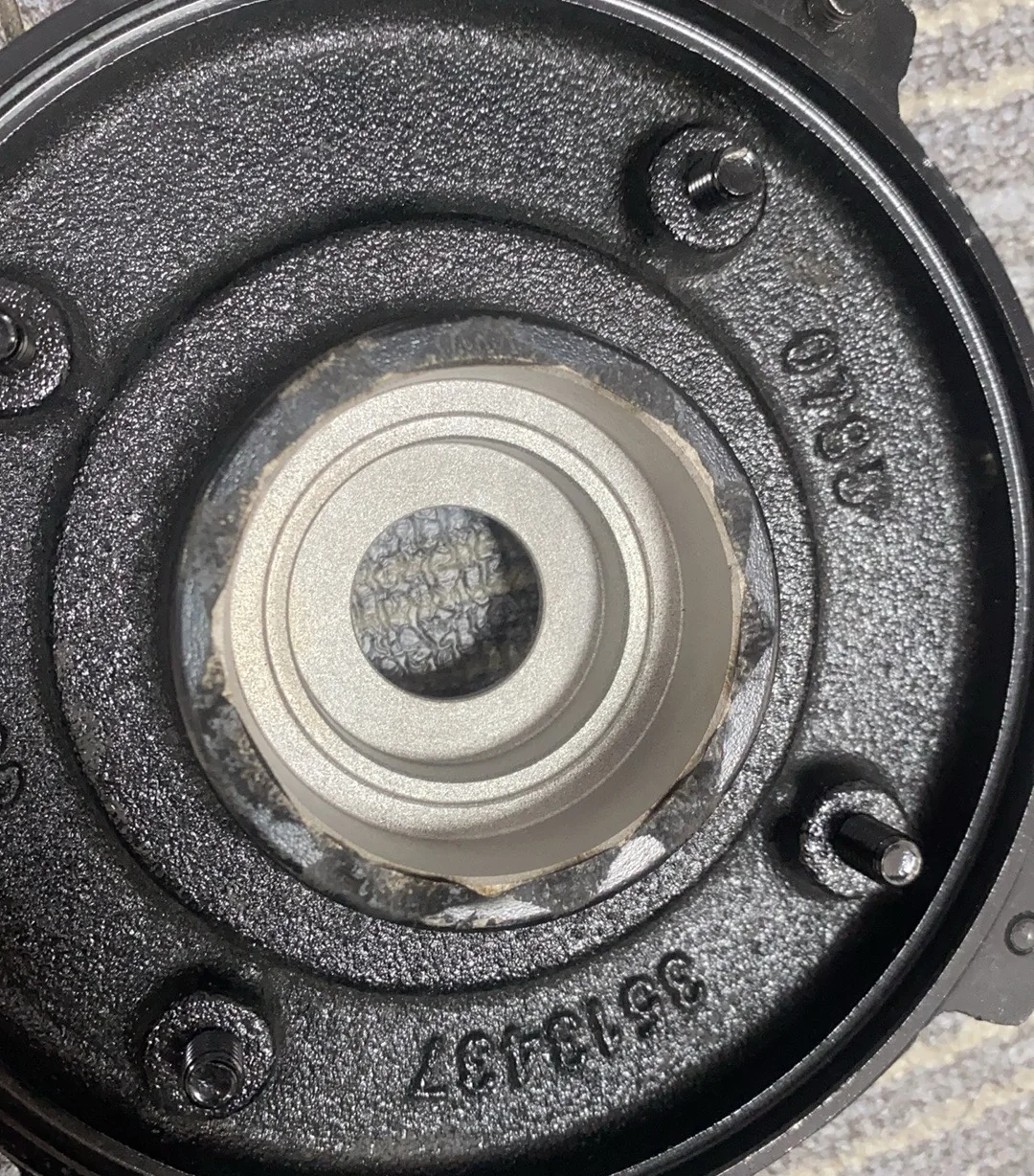
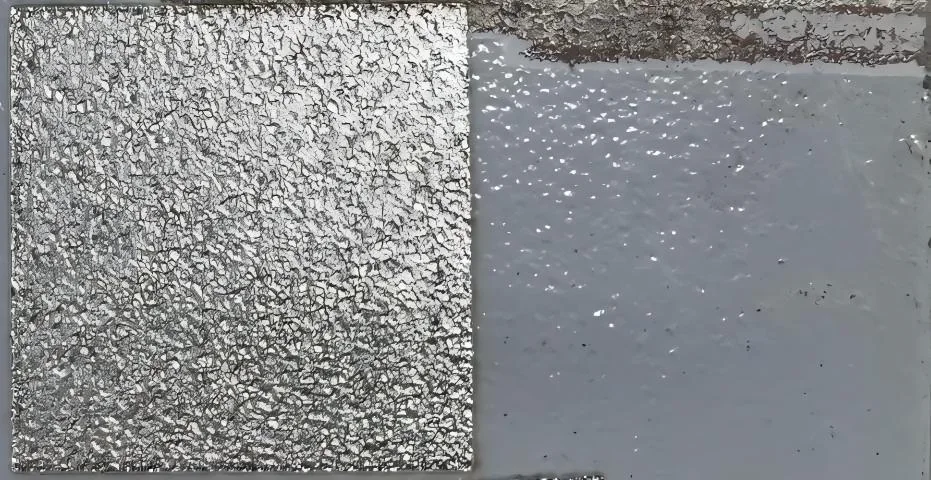
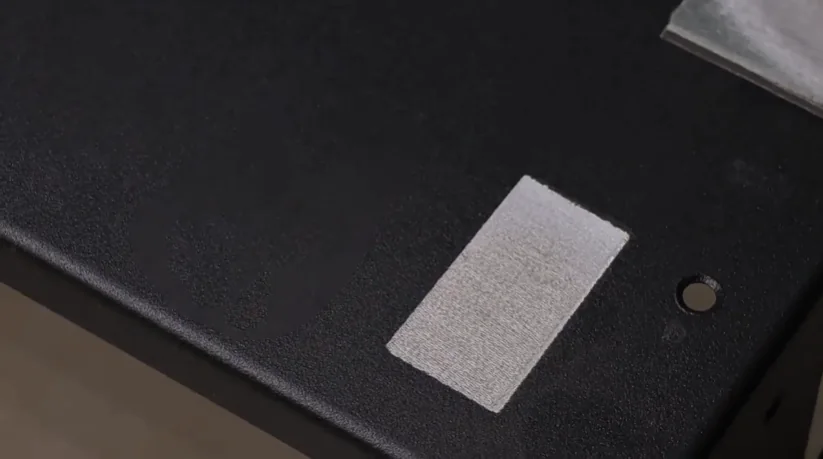
Every pair on this page shows the same surface before and after laser cleaning: real photos of cleaned parts from our library.
Each group names the machine type typically used, what to look at in the photo and one limit to know before you buy.
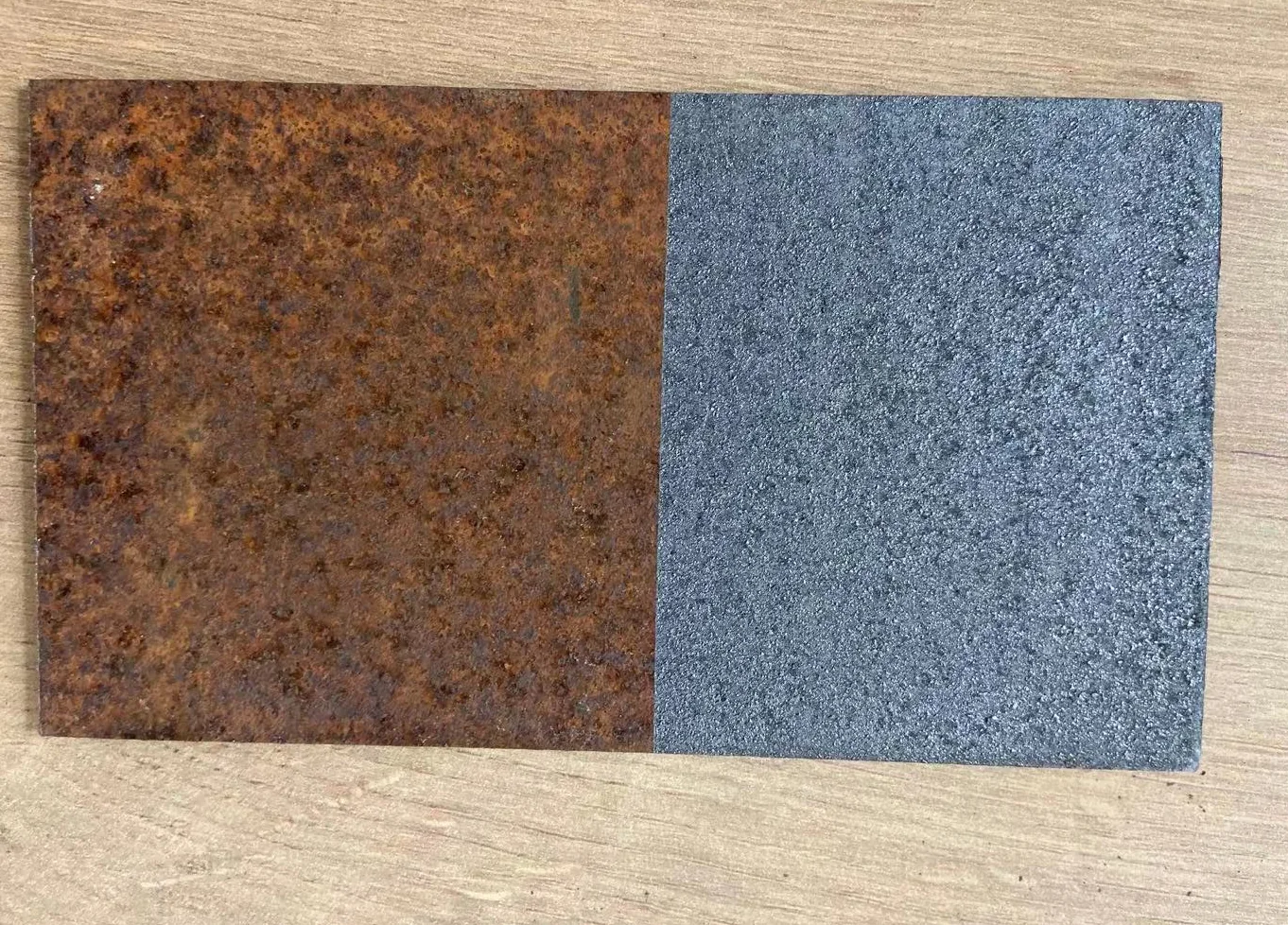 BeforeAfter
- 8 groupsrust, paint and coatings, oxide, oil, molds, wheels, wood, stone
- 1064 / 1080 nmpulsed fiber and continuous fiber lasers
- 12 to 166 kgfour machine lines, from backpack to water-cooled cabinet
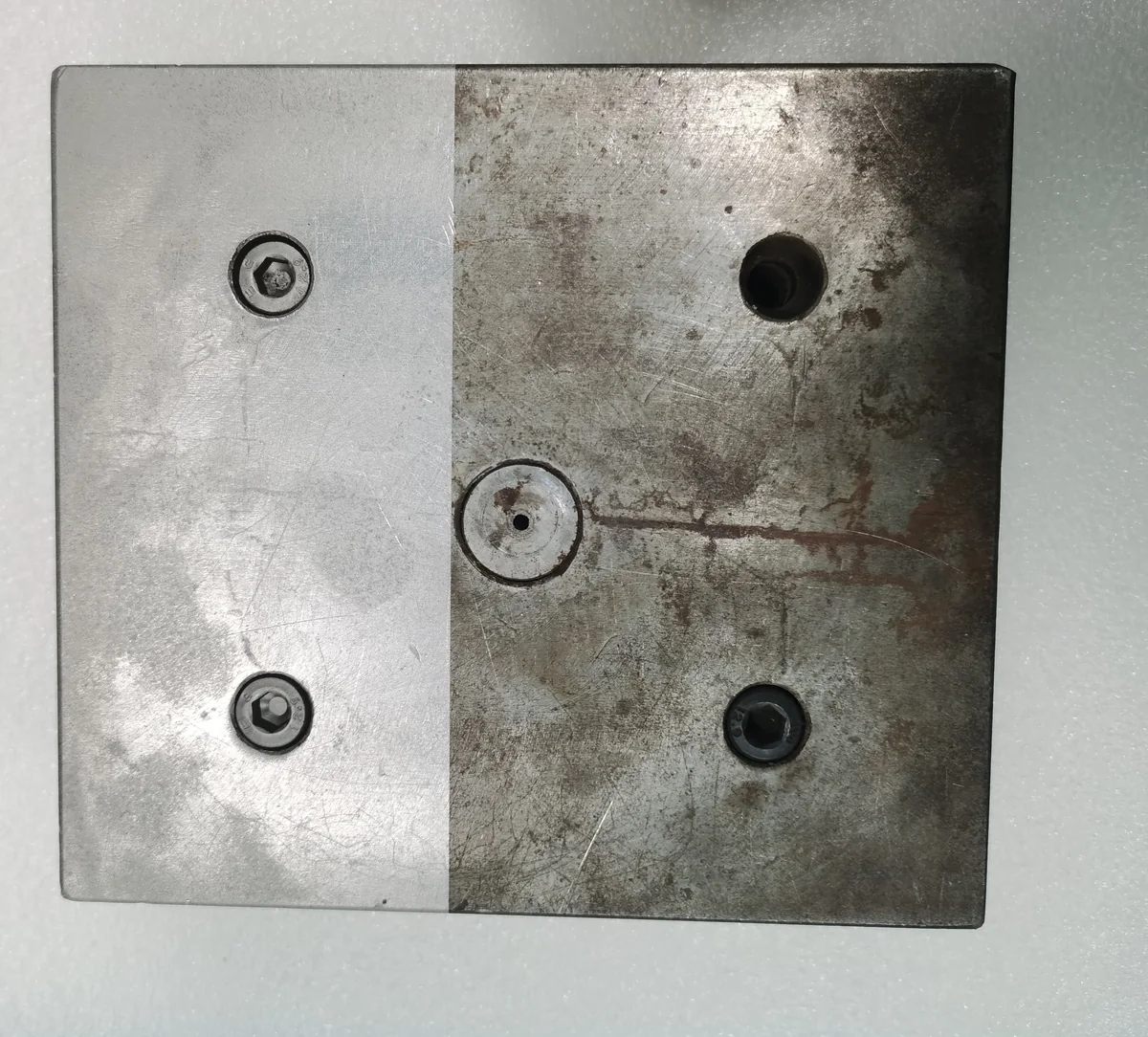 AfterBefore
Three Points to Check in Each Photo Pair
- 1
The edge
Find the line where the cleaned zone meets the untouched surface. A sharp, straight edge means the beam stayed where it was aimed: what you need beside weld seams, masking and engraved detail. - 2
The base material color
The cleaned zone should show the color of the material itself. Dark or bluish marks point to too much heat for that part. - 3
The pits and grooves
Look into pitting, scratches and machining marks. Clean to the bottom means the layer is gone; dark spots left in them mean more passes or different settings were needed.
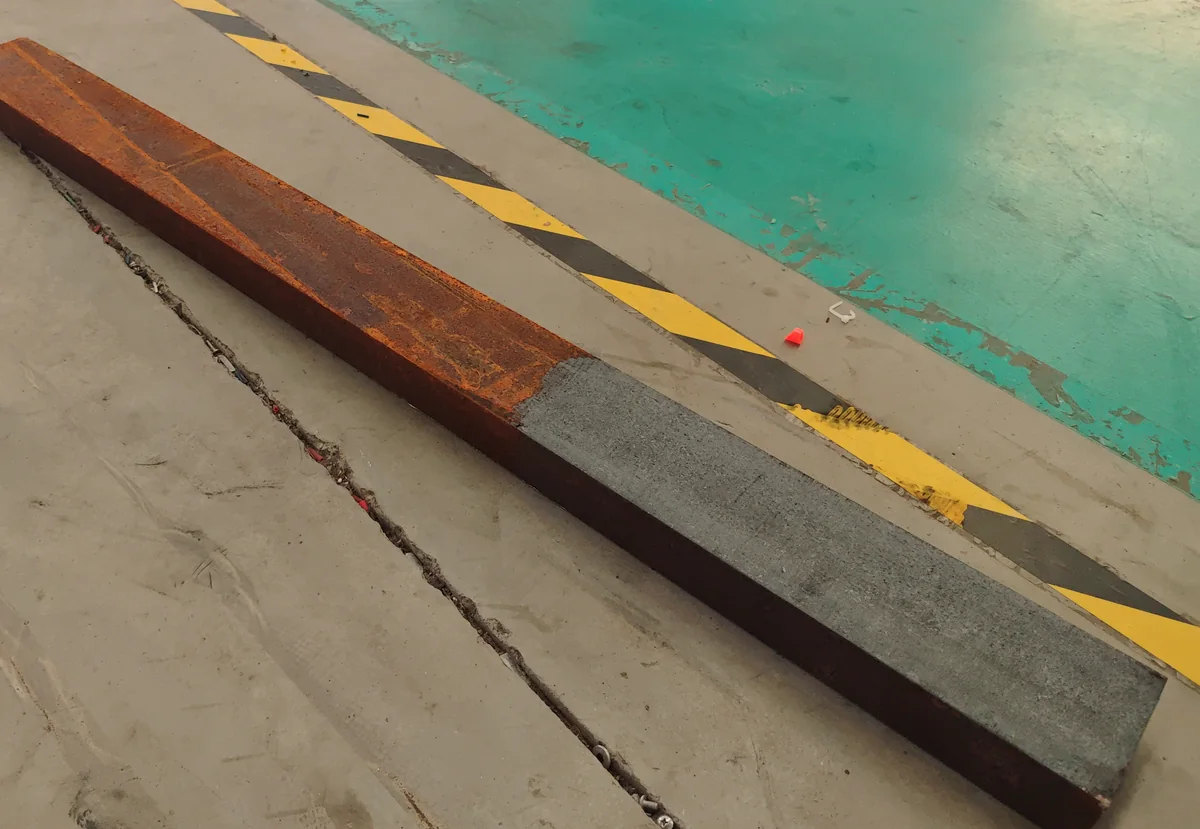
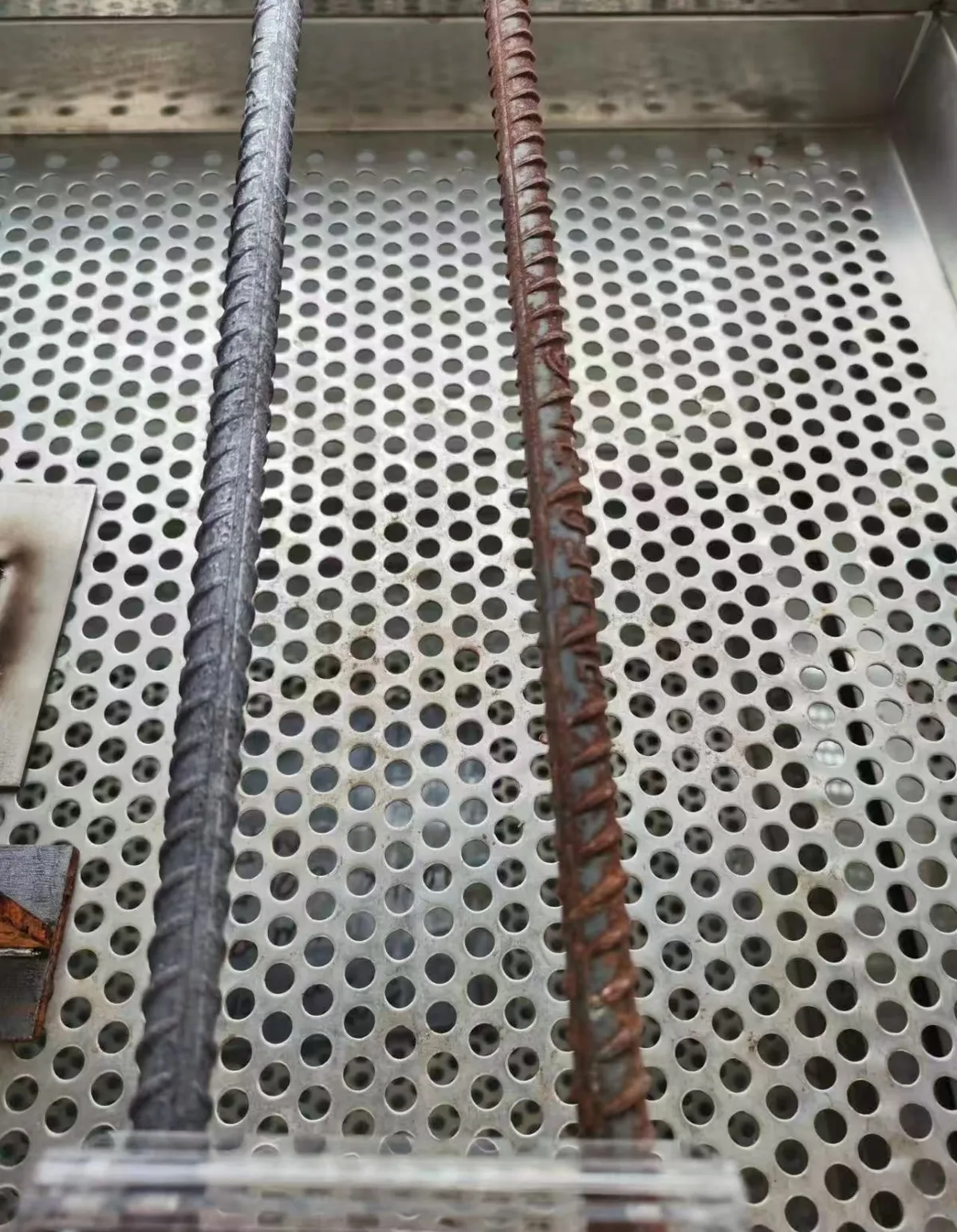
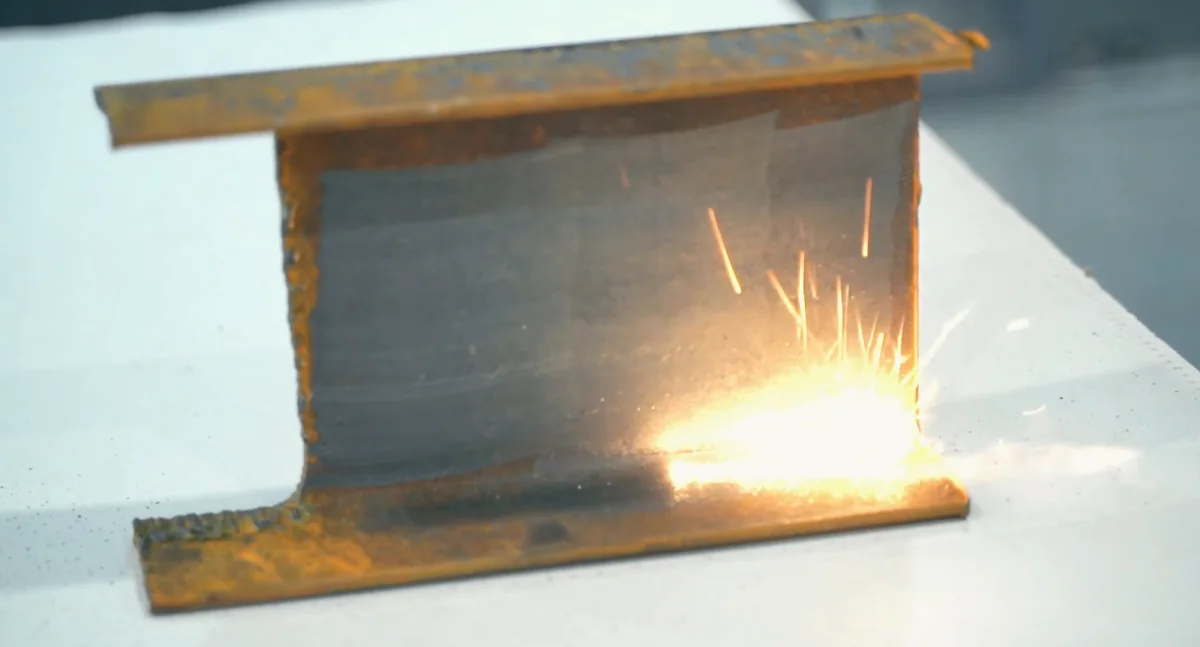
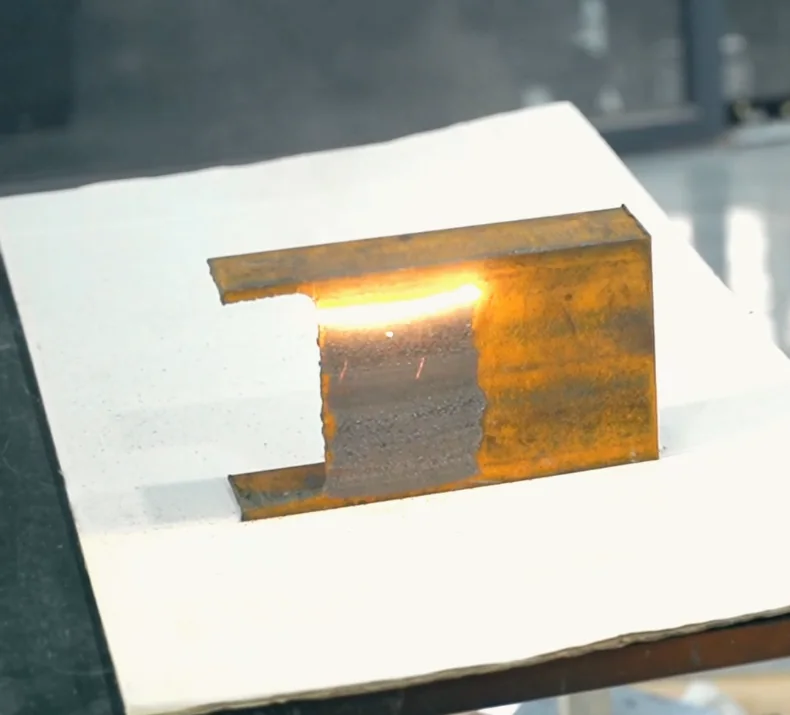
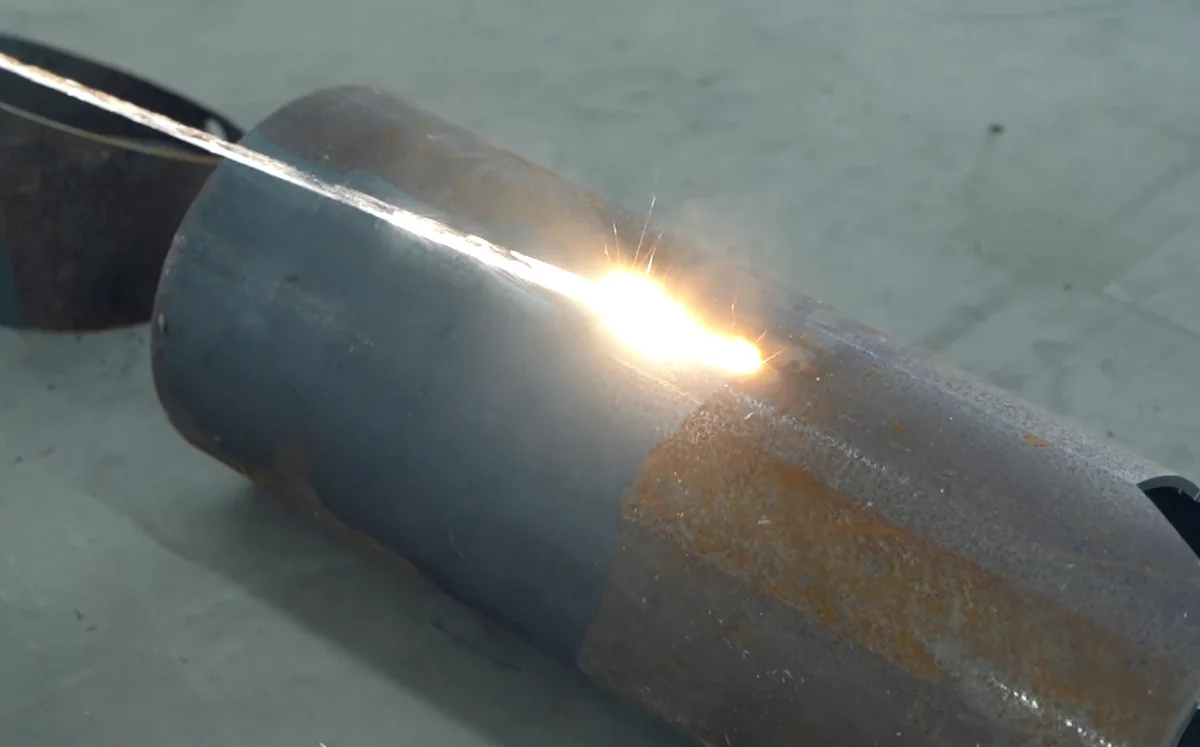
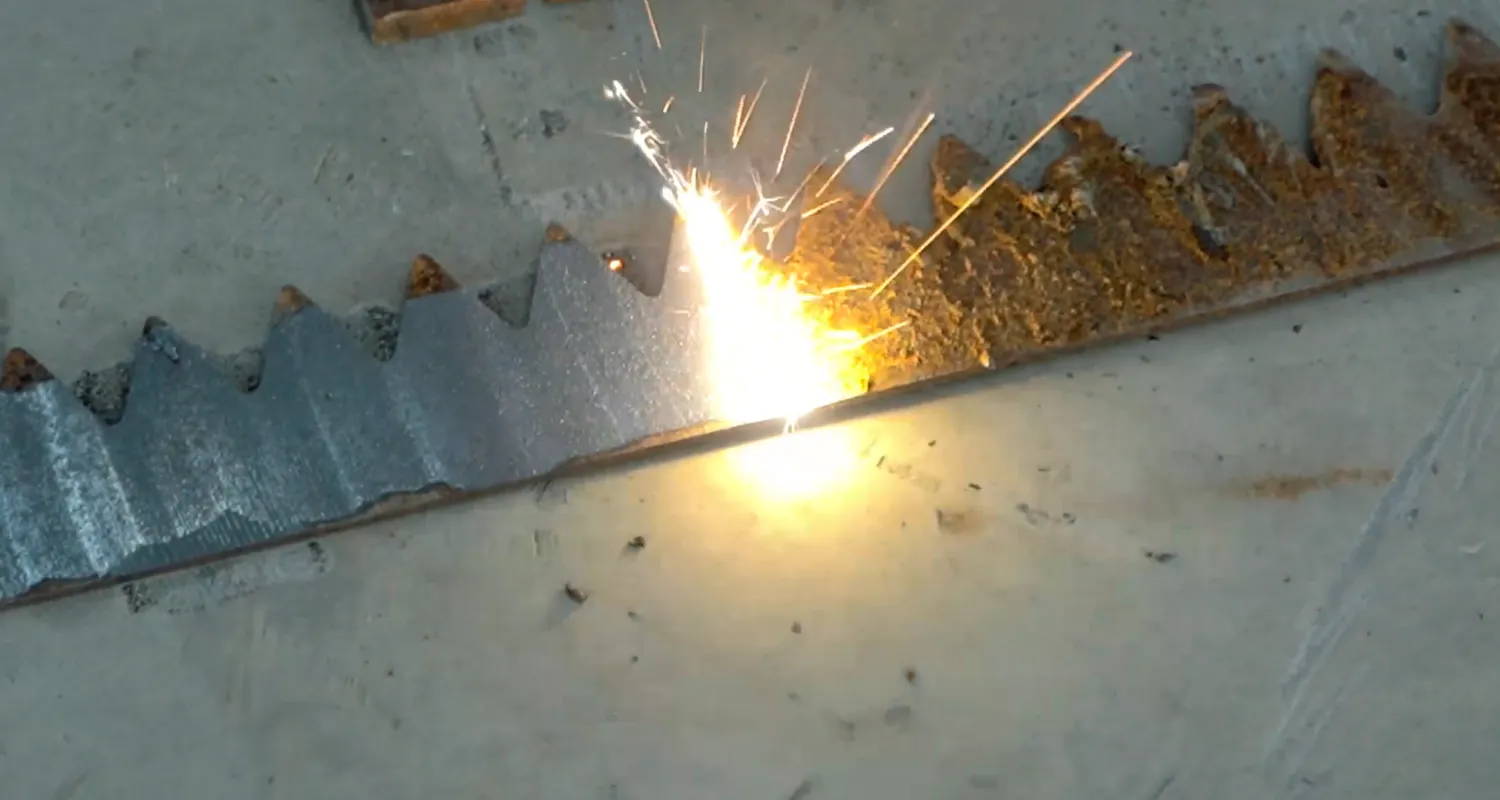
Rust on Steel
Steel plates, bars, beams and pipes, from light surface rust to heavy layers.
- Machine
- Pulsed on thin sheet and finished parts: two passes, no loose powder left. Continuous on heavy rust over large areas of thick steel.
- Look at
- the pits. A good result is clean inside the pitting, not only on the flat face.
- Limit
- the beam cleans what it can reach from the head. Rust deep in closed recesses or behind other parts stays.
 BeforeAfter
 AfterBefore
 BeforeAfter
 BeforeAfter
 BeforeAfter
 BeforeAfter
 BeforeAfter
 BeforeAfter
 BeforeAfter
 BeforeAfter
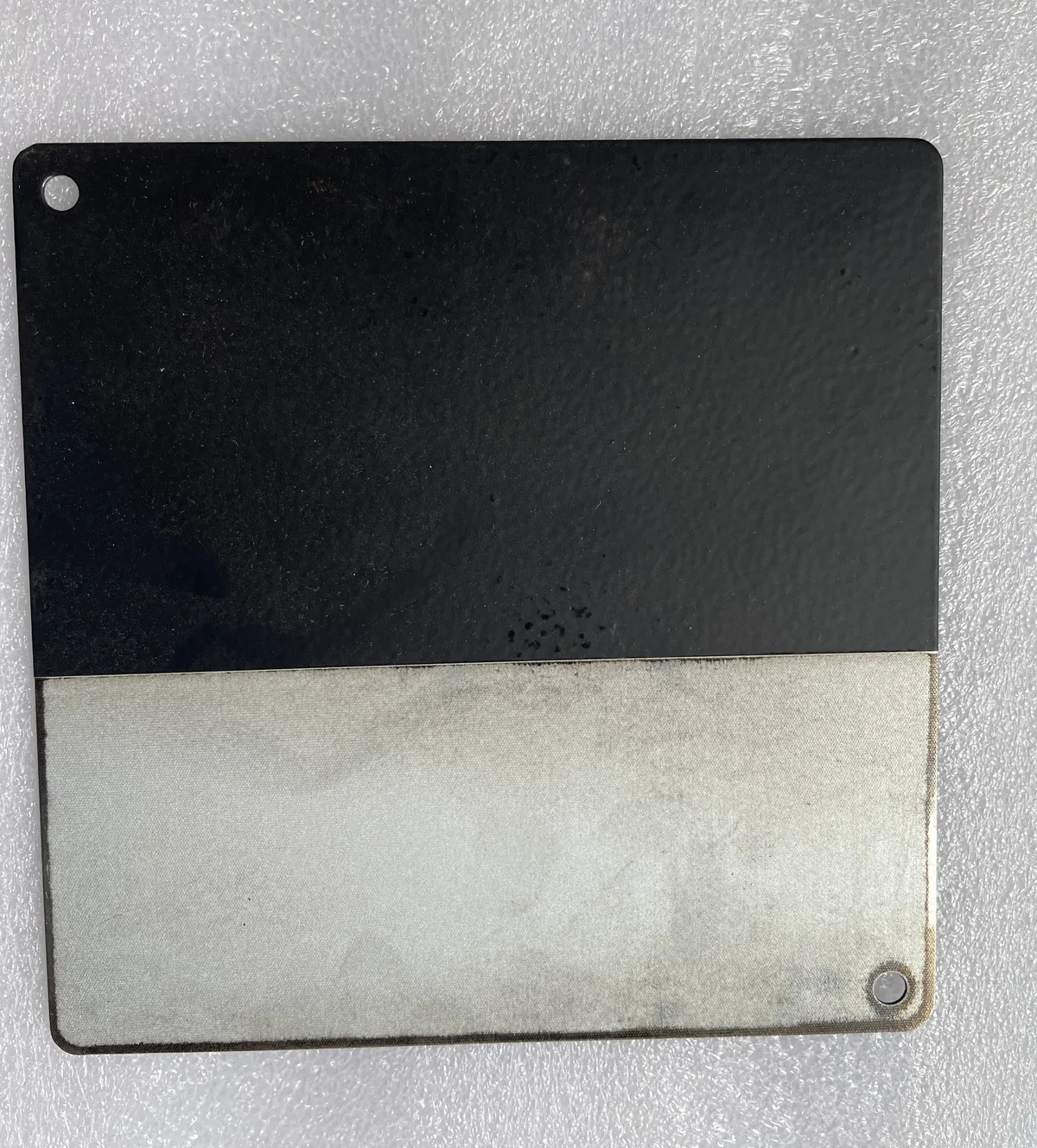
Paint and Coatings
Painted panels, primers and industrial coatings stripped back to metal: where the coating stopped and how the metal looks underneath.
- Machine
- Pulsed for thin parts and selective stripping. Continuous for thick coatings on heavy steel.
- Look at
- the boundary between stripped and coated areas, and whether the bare panel stays flat.
- Limit
- on sheet below 4 mm, continuous-laser paint removal may distort the panel, so thin parts go to a pulsed unit.
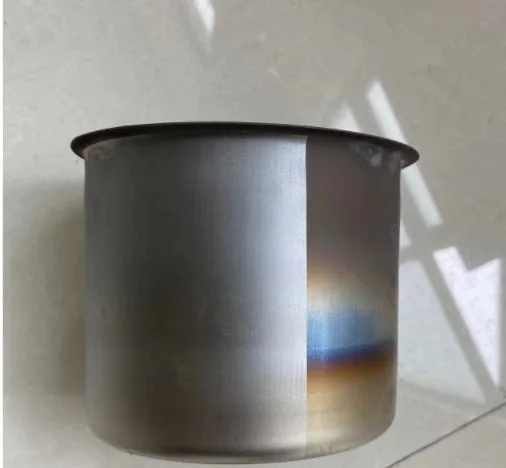
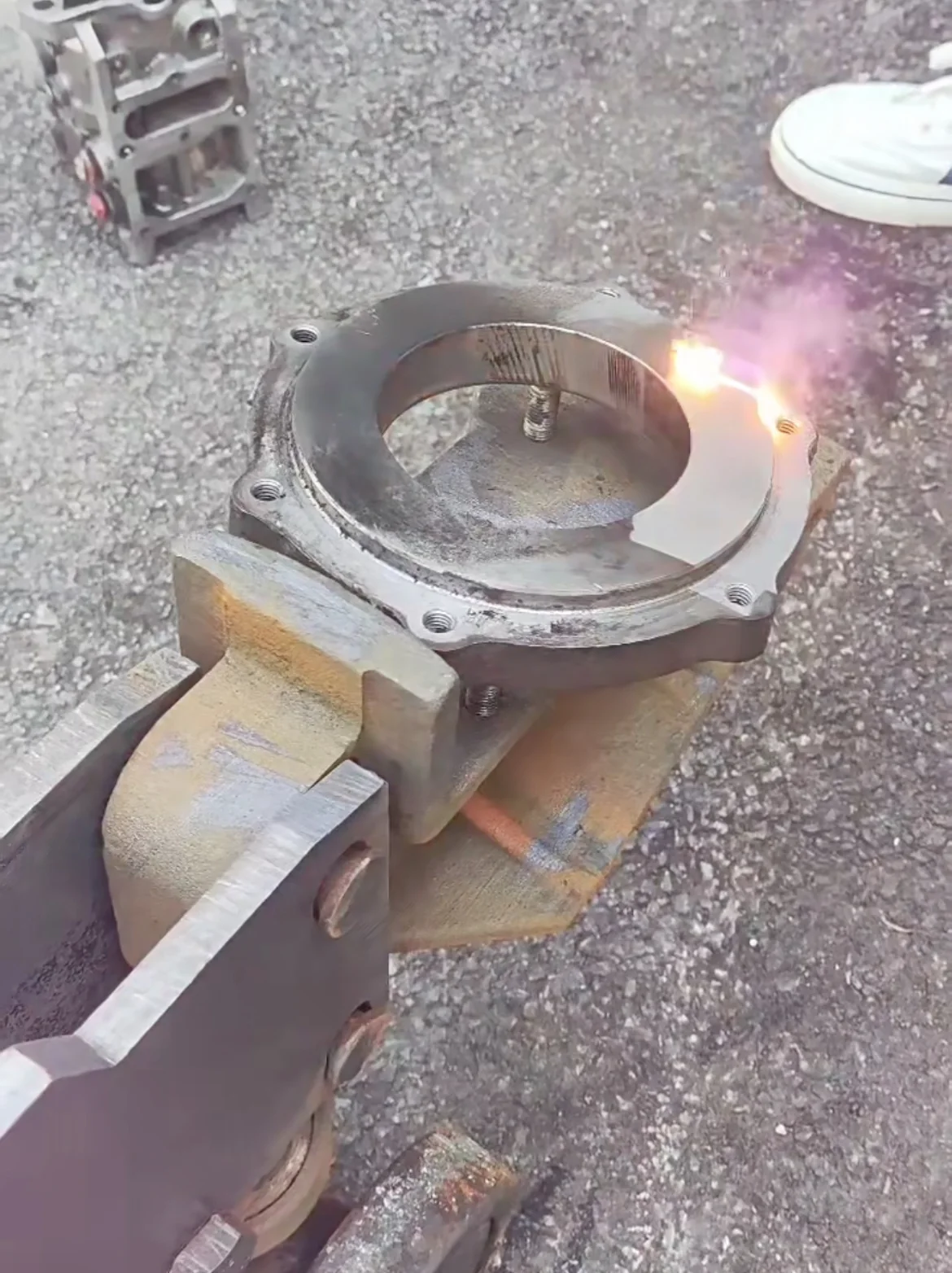
Oxide and Heat Tint
Weld seams and heat-affected zones on stainless steel, carbon steel and aluminum, cleaned of oxide film and discoloration.
- Machine
- Pulsed The film is thin and the part around it is often near final shape, so heat input has to stay low.
- Look at
- the color along the weld. A good result brings the weld zone back close to the base metal on both sides of the seam.
- Limit
- the portable lines suit thin oxide and light rust, not heavy scale.
 BeforeAfter
 BeforeAfter
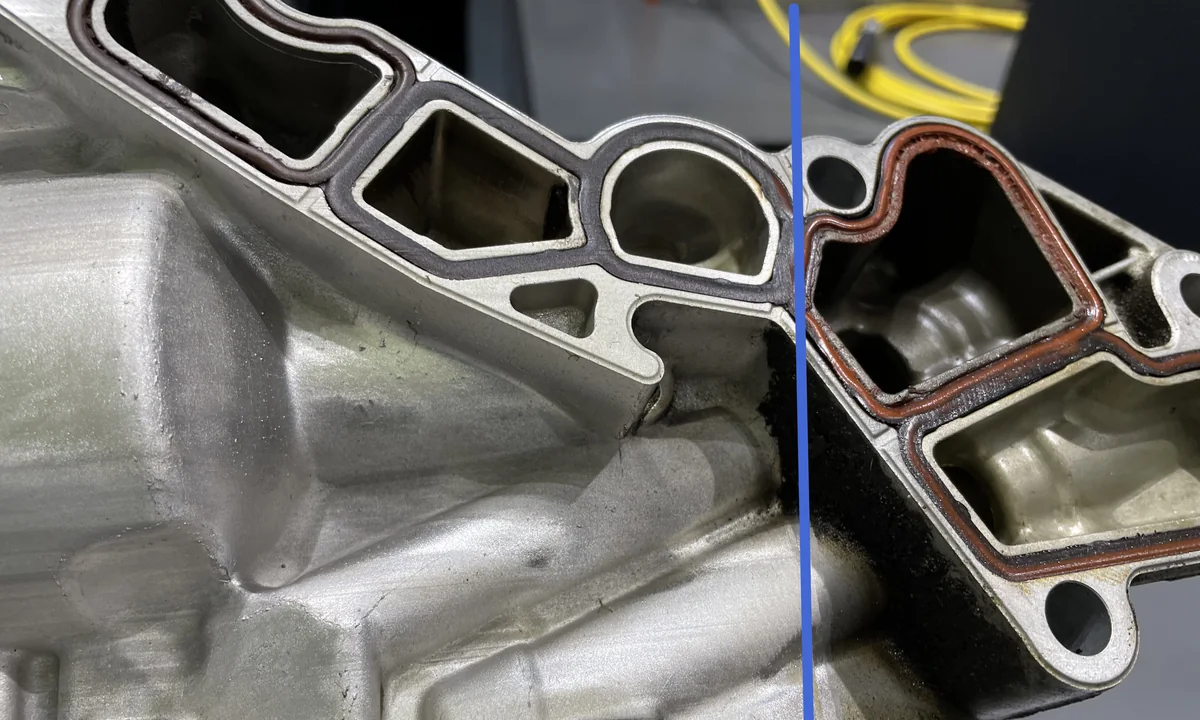
Oil and Grime
Machine parts and equipment surfaces covered in oil films, grease and workshop dirt.
- Machine
- Pulsed with power and scan width set to how thick the deposit is.
- Look at
- grooves, threads and edges, where oil collects first. They should show the same metal as the flat face.
- Limit
- thick, caked grease is a different job from an oil film. The setup is judged from your photos first.
 BeforeAfter
 BeforeAfter
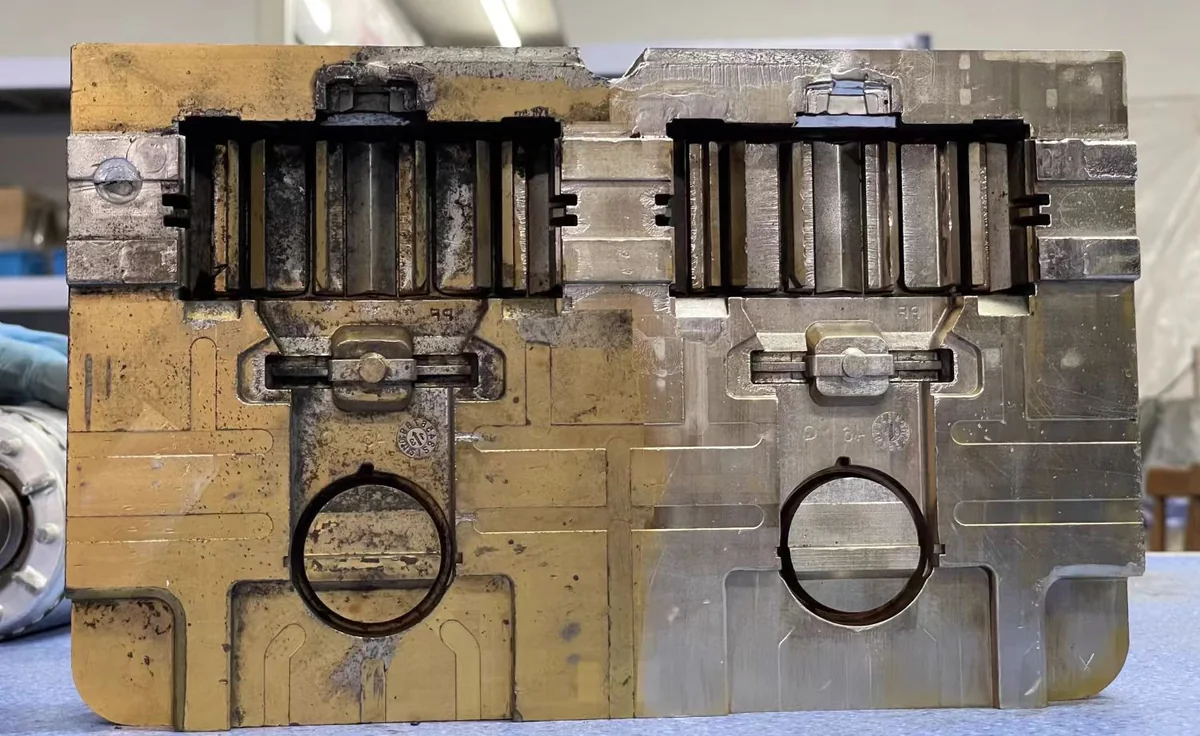
Mold Residue
Molds with release agent, rubber and plastic residue and carbon deposits, cleaned without abrasive contact on the cavity.
- Machine
- Pulsed with scan field and power chosen for the finest feature in the cavity.
- Look at
- texture, engraving and fine edges. They should be as sharp after cleaning as the mold was machined.
- Limit
- a deep or complex cavity needs settings matched to that mold; one photo does not set the parameters for another.
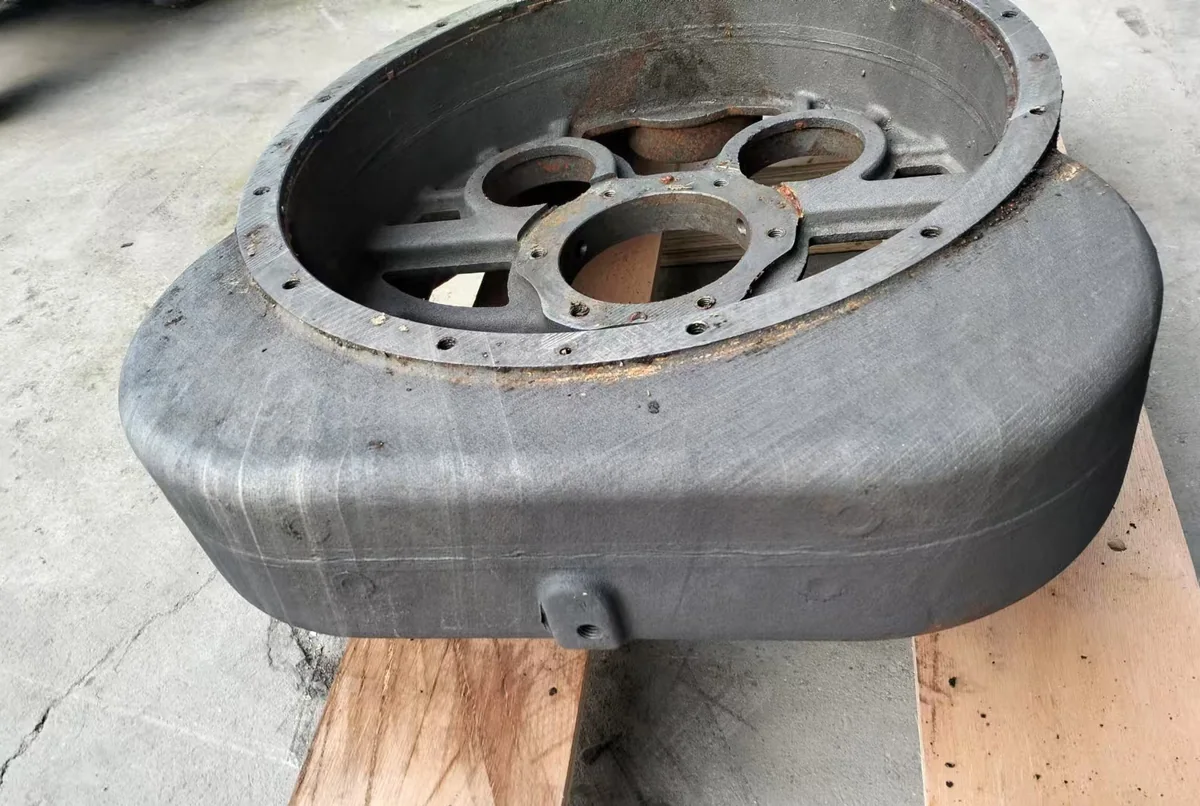 BeforeAfter
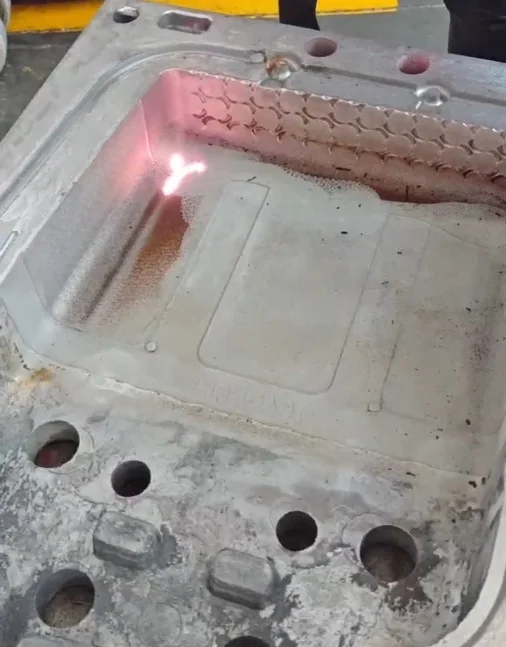 BeforeAfter
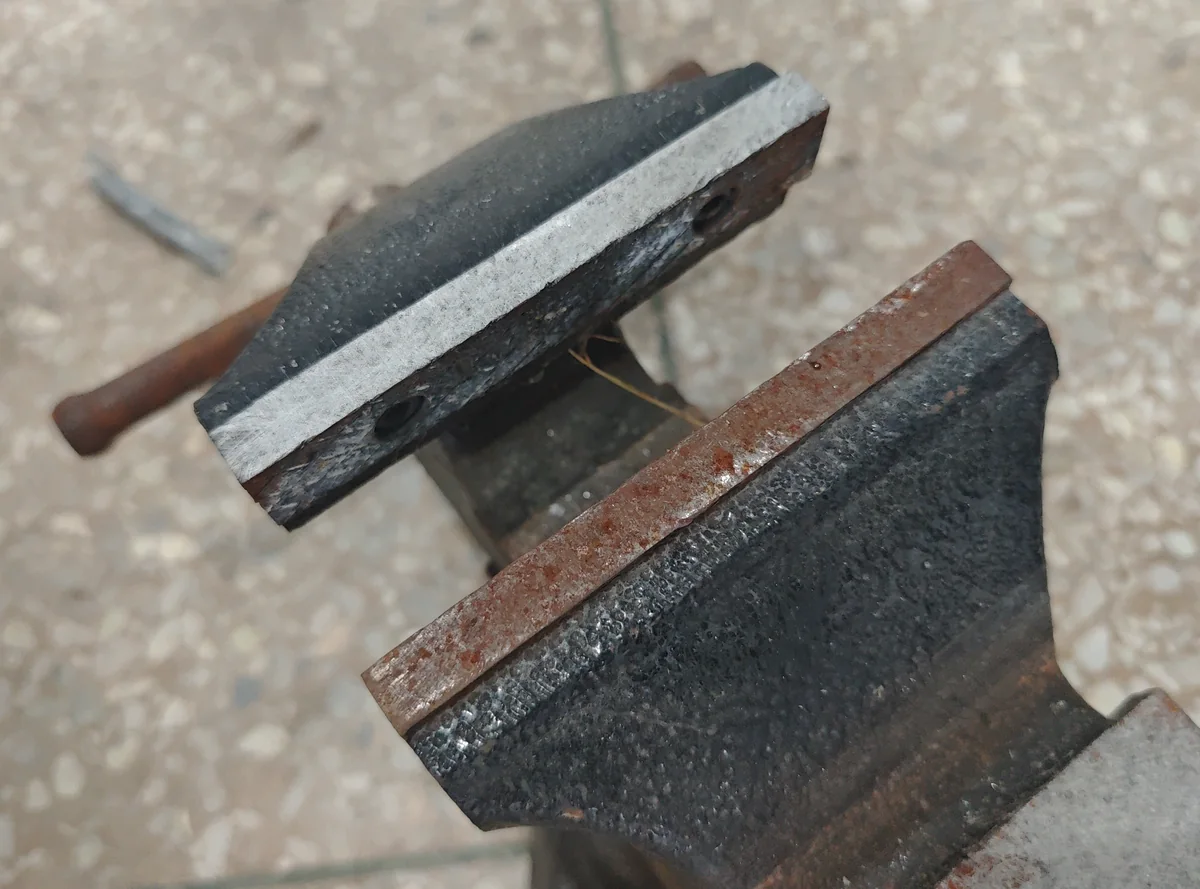 BeforeAfter
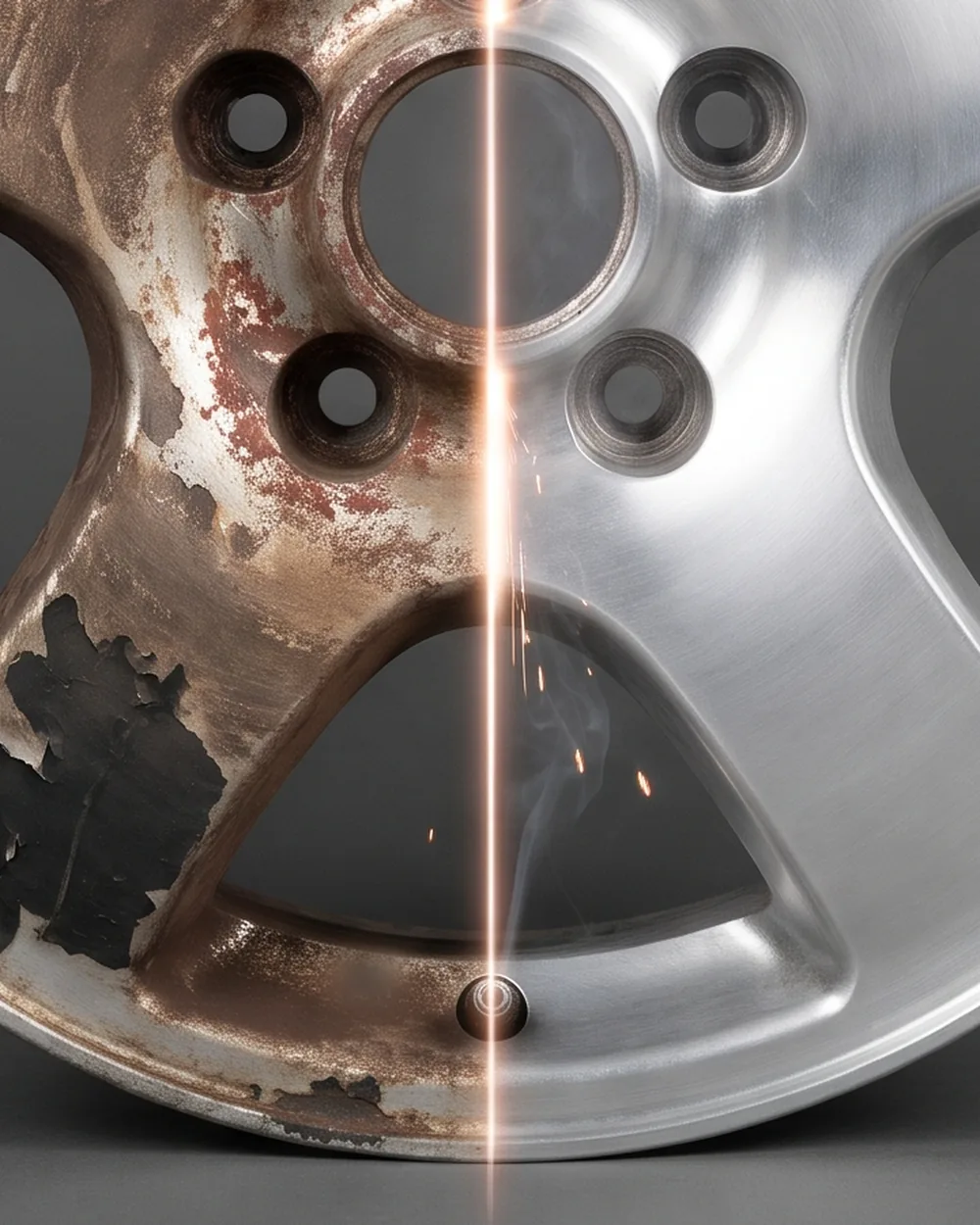
Wheels and Hubs
Wheel hubs cleaned across their curved faces.
- Machine
- Pulsed for single hubs. Custom system for large train wheels in series: fixed head positions and its own motion control.
- Look at
- whether the result is even all around the curve, not only on the face nearest the camera.
- Limit
- on a curved part the head has to follow the profile, which takes more handling time than a flat panel.
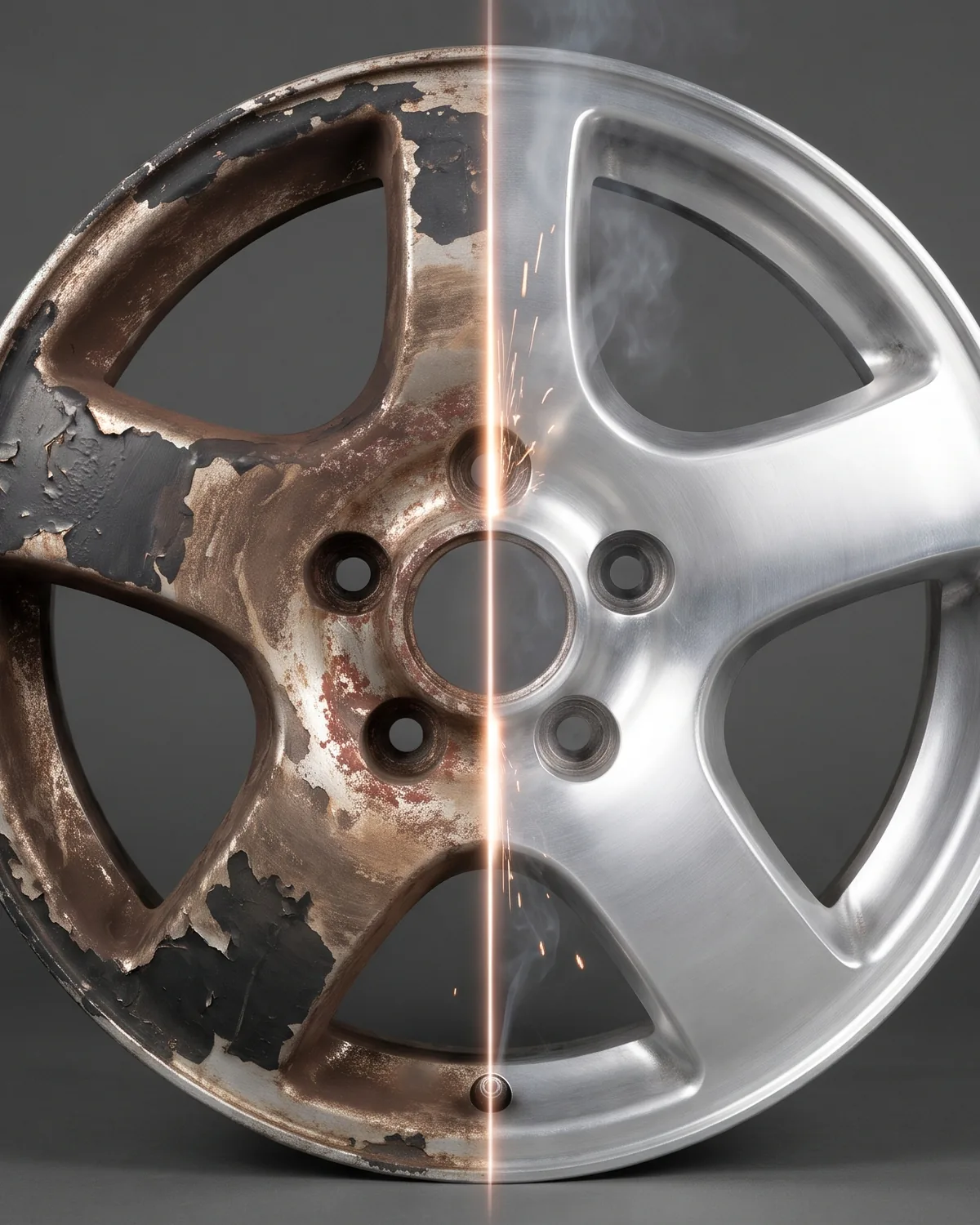 BeforeAfter
 BeforeAfter
 BeforeAfter
 BeforeAfter
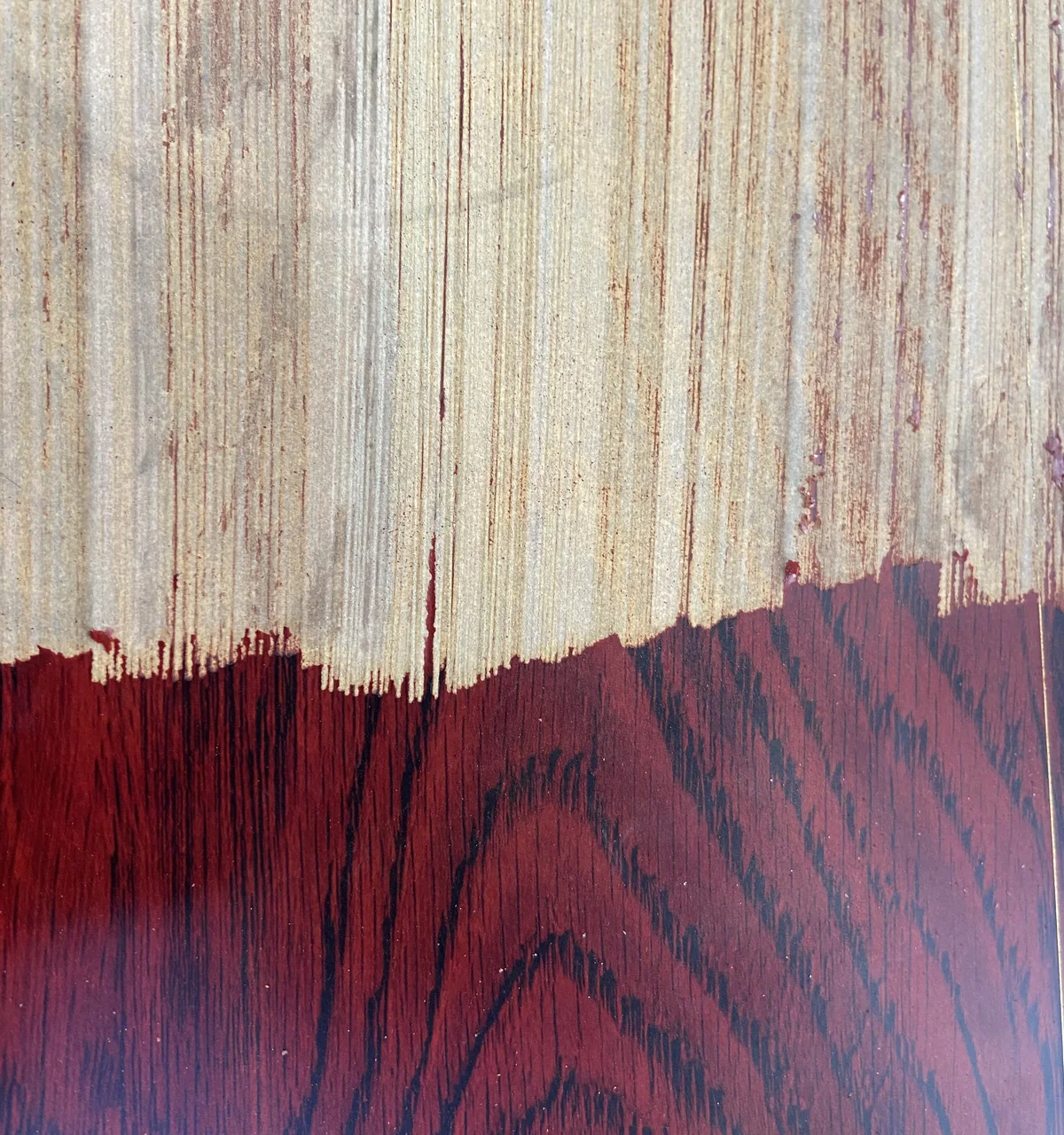
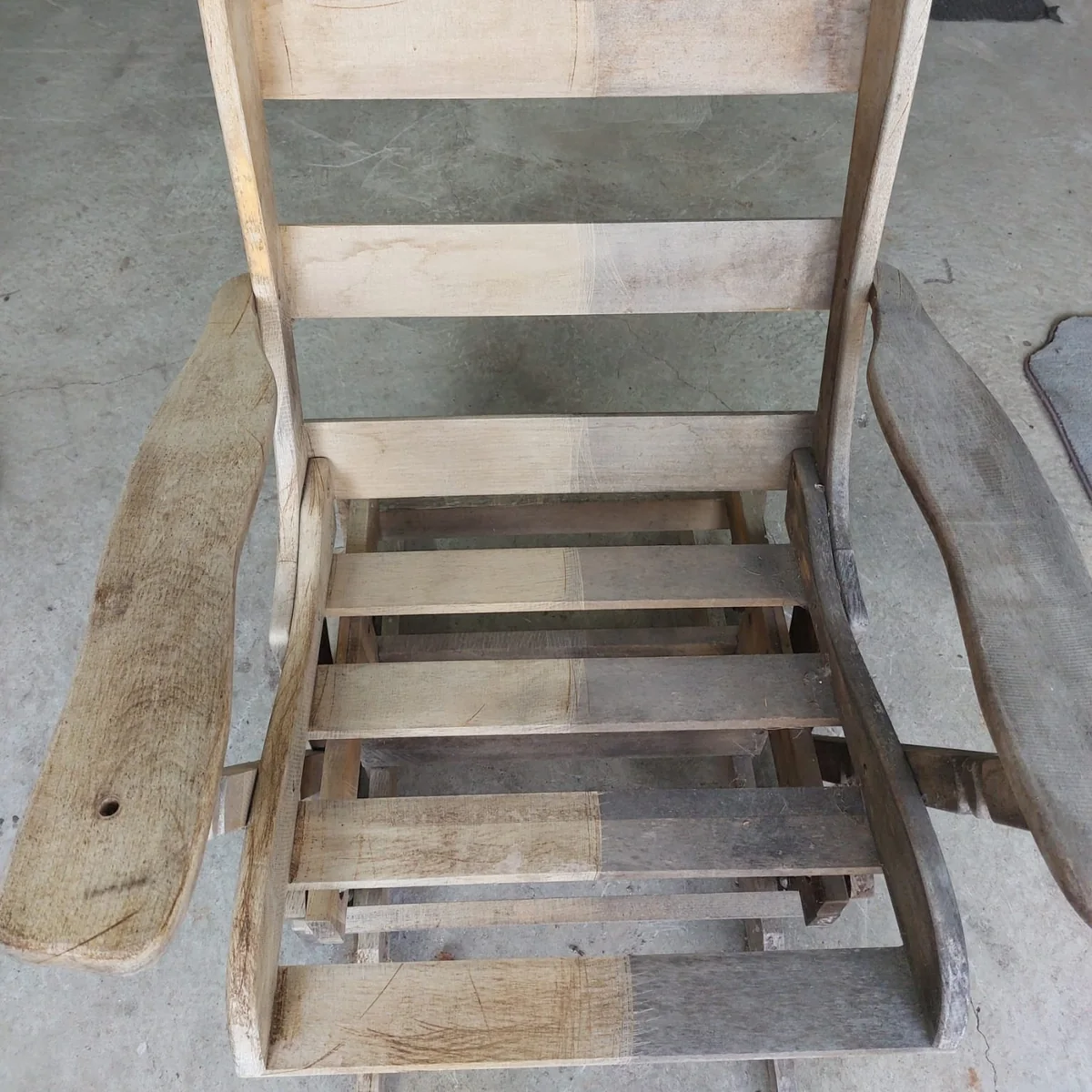
Wood
Wooden surfaces cleaned down to the grain.
- Machine
- Pulsed Wood is listed for both the MW-LY pulsed and MW-LCW continuous lines.
- Look at
- an even tone across the cleaned area, with the grain visible and no darkened patches.
- Limit
- wood can show color differences. It needs a slightly higher frequency than metal, and the first pass belongs on a small area.
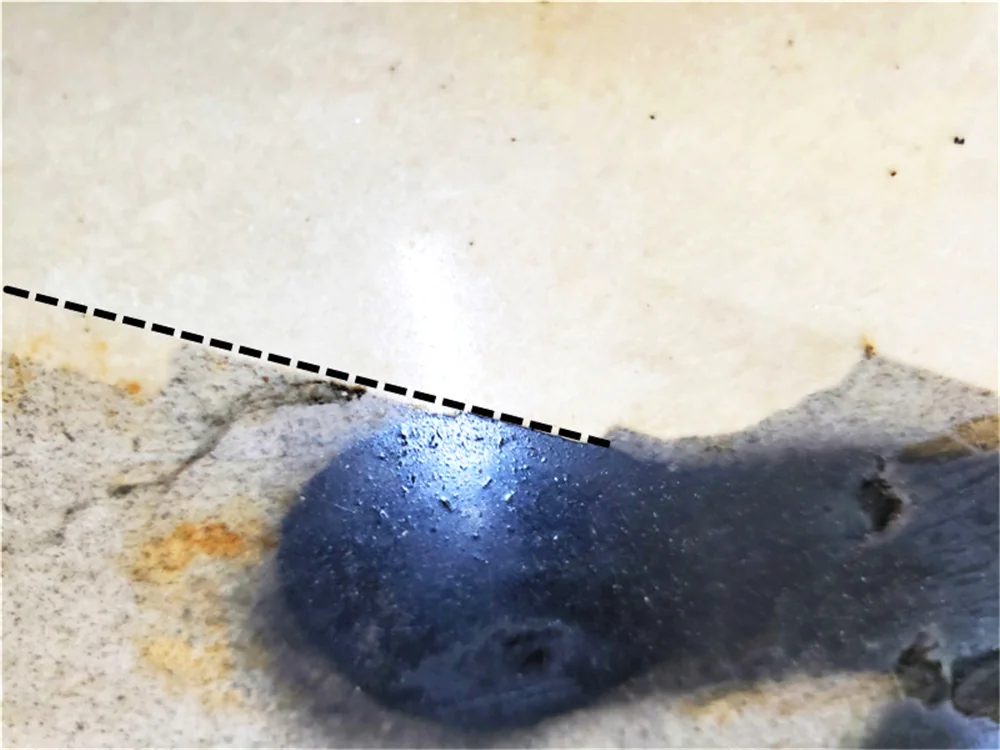
Stone
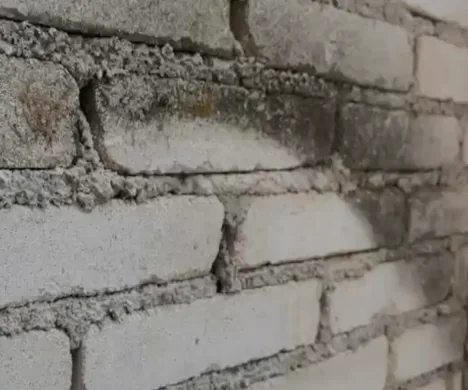
Stone surfaces and building materials, cleaned of the layer on top.
- Machine
- Pulsed for detailed surfaces. Stone and building work is listed for both cabinet lines, pulsed and continuous.
- Look at
- whether the stone keeps its own color and surface texture after cleaning.
- Limit
- stone types differ, so settings found on one stone do not carry over to another. Start on a small area.
 BeforeAfter
 BeforeAfter
Why One Machine Gives Different Results on Two Parts
The same machine can clean one plate in a single pass and need several on the next. Four things decide the result.
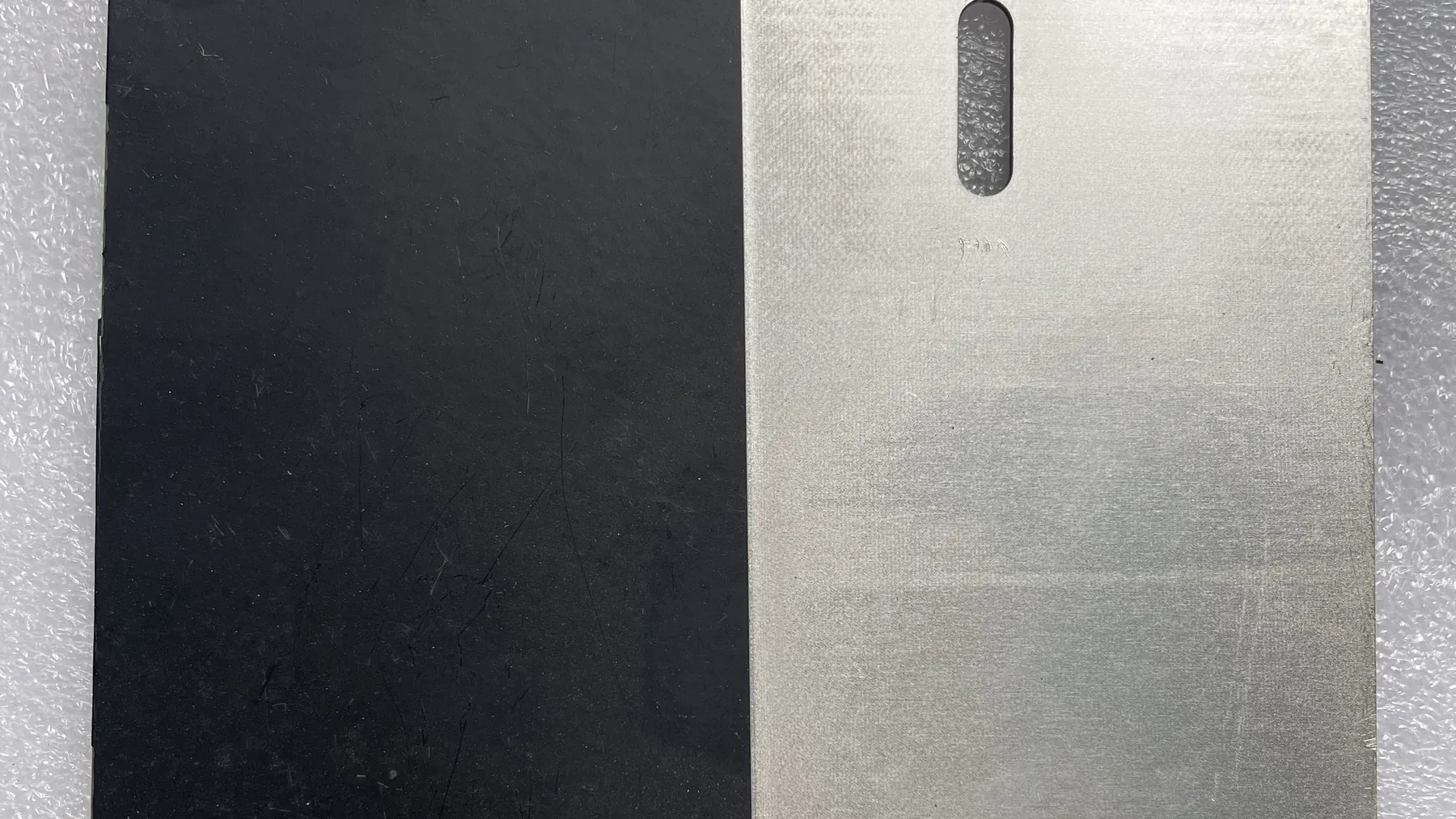
The thickness of the layer
 BeforeAfter
 BeforeAfter
The base material
Power and mode
- 0 to 100%power on the pulsed units
- 6 modesMW-LY cleaning modes
- 6 modesMW-LCW cleaning modes
The number of passes
- Single swingscans in a line, may need several passes for an even surface
- Double swingscans 2D patterns and evens the surface in one
The full comparison of both laser types: pulsed vs CW laser cleaning machine.
What a Before-and-After Photo Does Not Show
A photo shows the finished surface, not three things you need to plan the job.
How long it took
Power and settings are not attached to individual photos. For planning, product data gives reference rates; these typical examples change with the layer and the part.| Typical example | Approx. rate |
|---|---|
| 1500 W continuous, rust removal | 4 to 8 m²/h |
| 500 W pulsed, coating removal on panels | 6 to 8 m²/h |
| 300 W pulsed, mold cleaning | 5 to 7 m²/h |
| 100 W backpack, metal gears | 3 to 4 m²/h |
What the heat did below the surface
A clean, even color says the heat was not excessive on that part. It does not show whether a thin sheet stayed flat across its whole width, or how a thinner part would react to the same settings. That is decided by laser type and part thickness.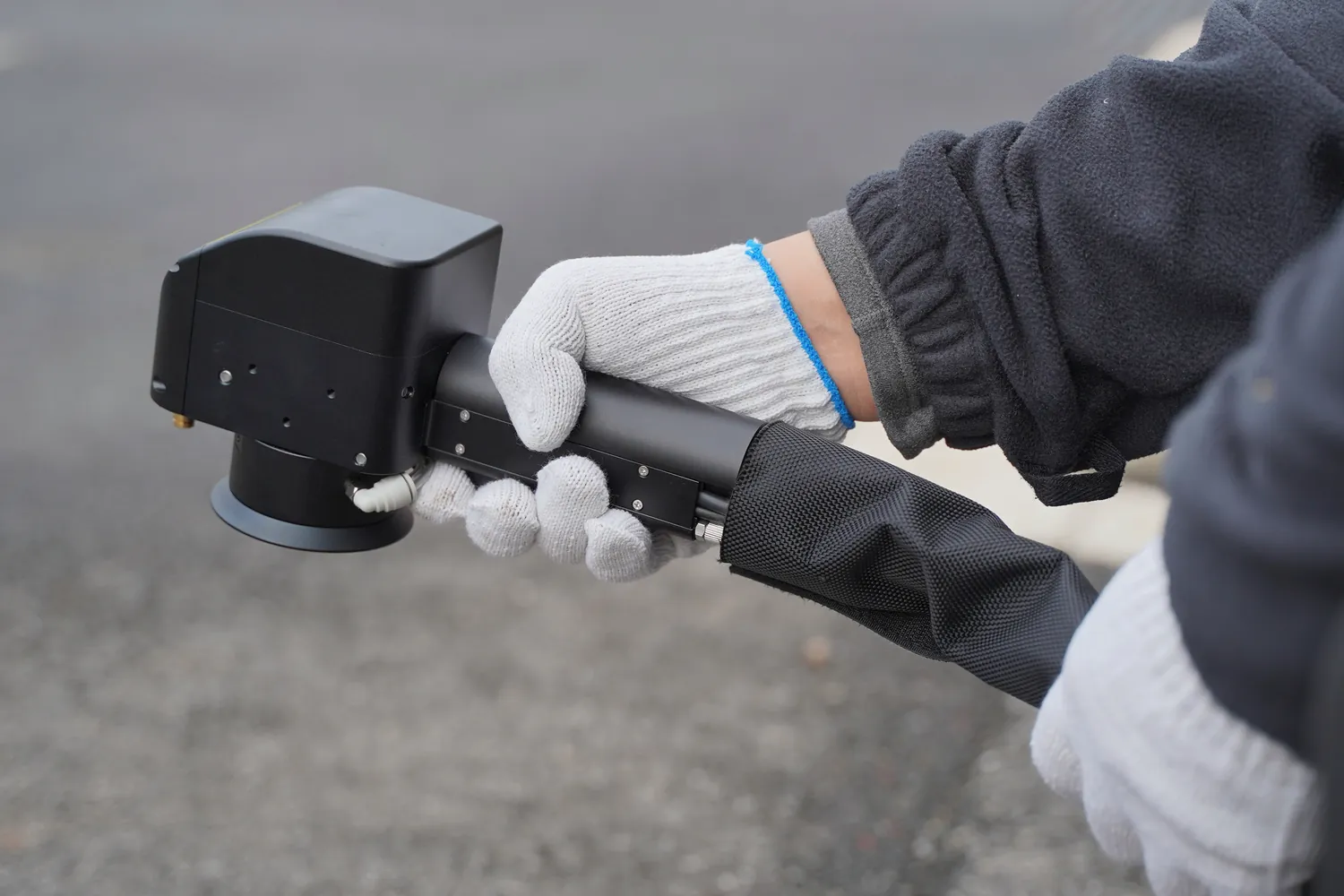
The setup around the job
Any laser cleaning job needs a controlled Class 4 laser area, protection against reflections and fume extraction to collect the removed layer. The photo also leaves out the power supply and whether the job needed a water-cooled machine for long runs.- 24 V / 48 V trolley case
- 380 V 3000 W continuous
Send a Photo of Your Part
An engineer points you to the closest result on this page and recommends a line and power level.
What to send
- A photo: the part and the contamination on it.
- Material and thickness: of the part the beam will touch.
- Area: what you clean per day or week.
- Application and country: where and how the machine will work.
Phone / WhatsApp: +86 15327155363 · Call