Industrial Laser Cleaning Applications: Find the Machine Already Matched to Your Job

Start from the layer on your part. Rust, paint, oxide, mold residue or grime on installed machinery: each one is an application, and each application already has a MAXWAVE machine line matched to it.

Below the six applications, one matrix rates our four lines against nine jobs, including wood, stone and restoration, and a short list names the jobs where we do not recommend a laser.

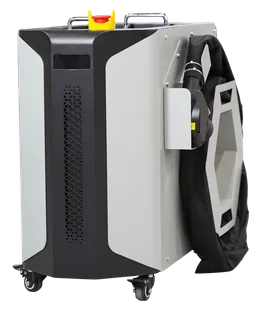
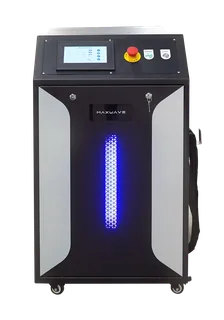
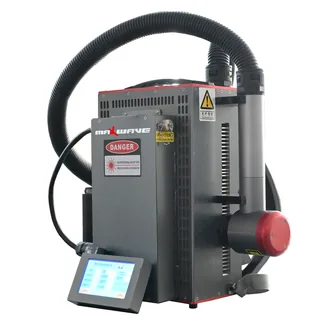
  • Four linesfrom 50 W pulsed backpack units to 6000 W continuous cabinets
  • Nine jobsrated against every line: Best fit, Possible or Not advised
  • Real photosbefore and after, for each contamination type
  • Limits listedjobs where laser cleaning is the wrong choice, each with an alternative

Six Industrial Laser Cleaning Applications

Each application names the layer, the parts it sits on and the MAXWAVE line matched to it.

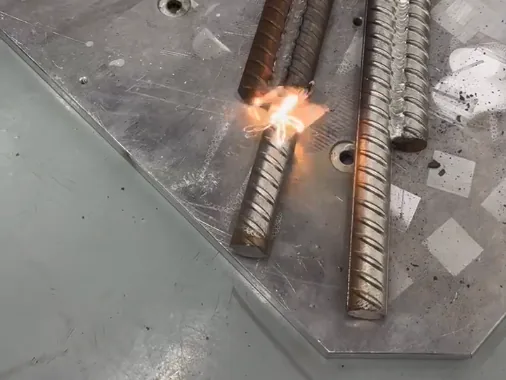
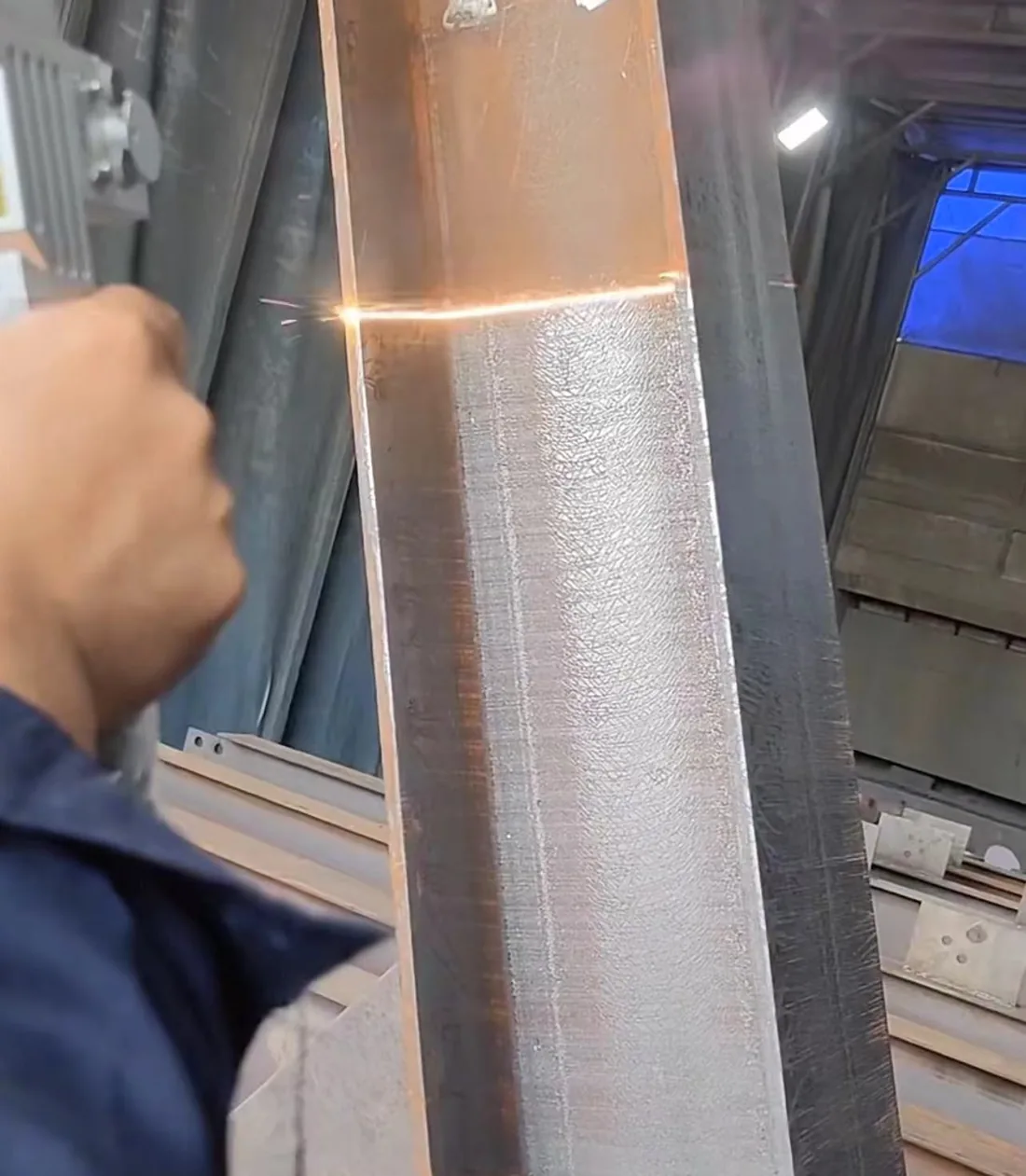
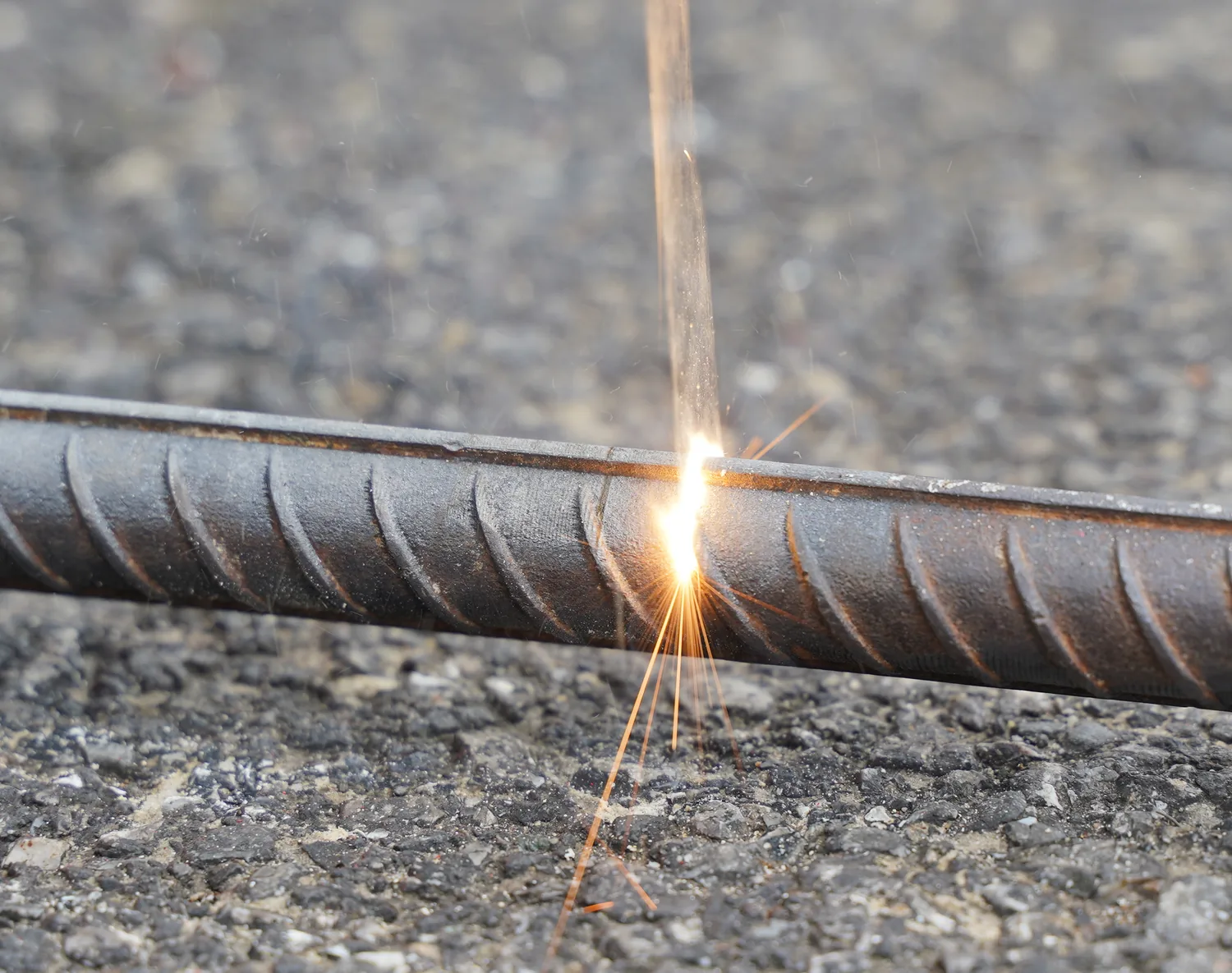
Laser rust removal on a steel rebar, the beam leaving bare steel behind the rusted surface

Laser Rust Removal

Rust on steel and iron: the thickness of the steel under it decides the line.

Typical parts
Machined parts, fabricated frames, wheels and hubs, beams and steel structures.
Machines used
  • MW-LY pulsedthin and finished parts, cleaned in two passes with no powder left behind
  • MW-LCW continuousheavy rust on thick steel, at about 5 to 10 m²/h at 2000 to 6000 W
Rust by part type: laser rust removal
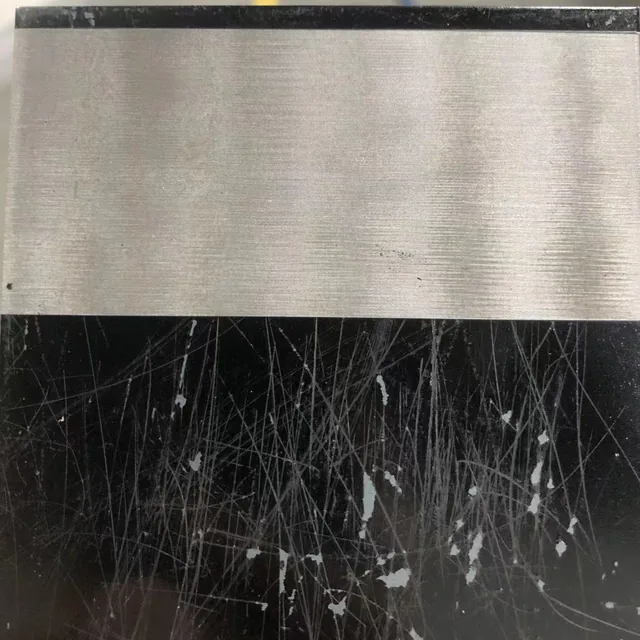
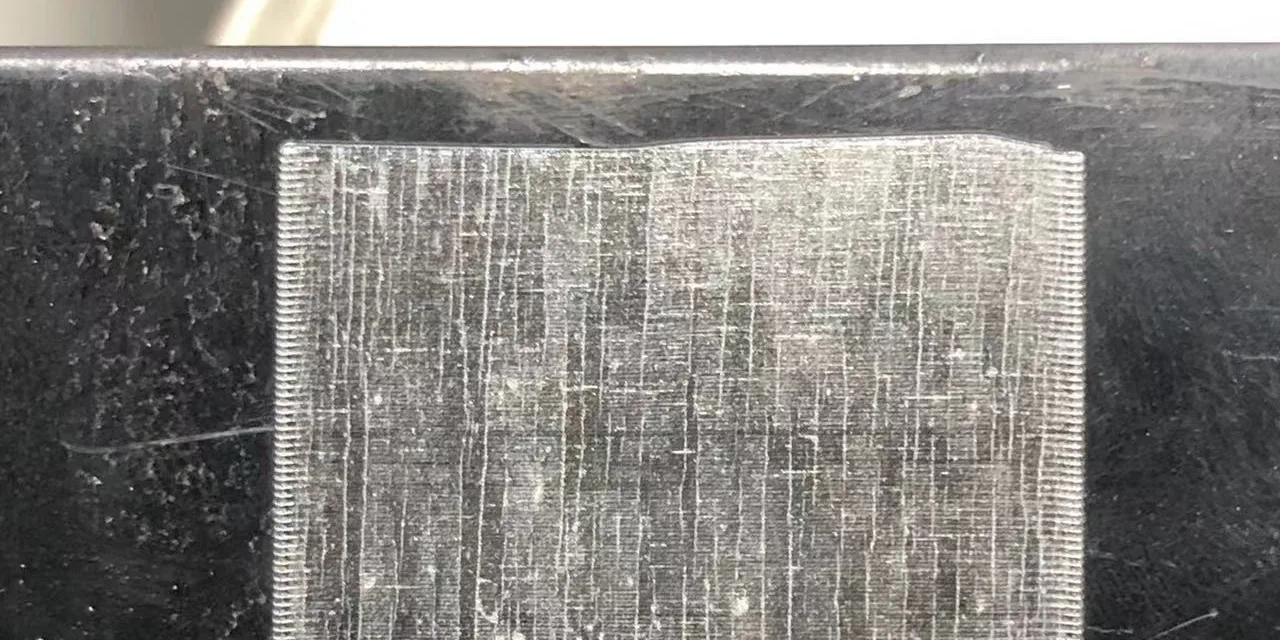
Painted black plate with a square of coating removed by laser to bare metal

Laser Coating Removal

Paint, primers and industrial coatings come off metal before repainting, inspection or repair; the same application covers wood and stone.

Typical parts
Sheet-metal housings and panels, painted steel plate and structures, wooden and stone surfaces.
Machines used
  • MW-LYthin substrates and detailed surfaces
  • MW-LCWthick coatings over heavy plate, about 10 to 20 m²/h on organic layers
Coating types and substrates
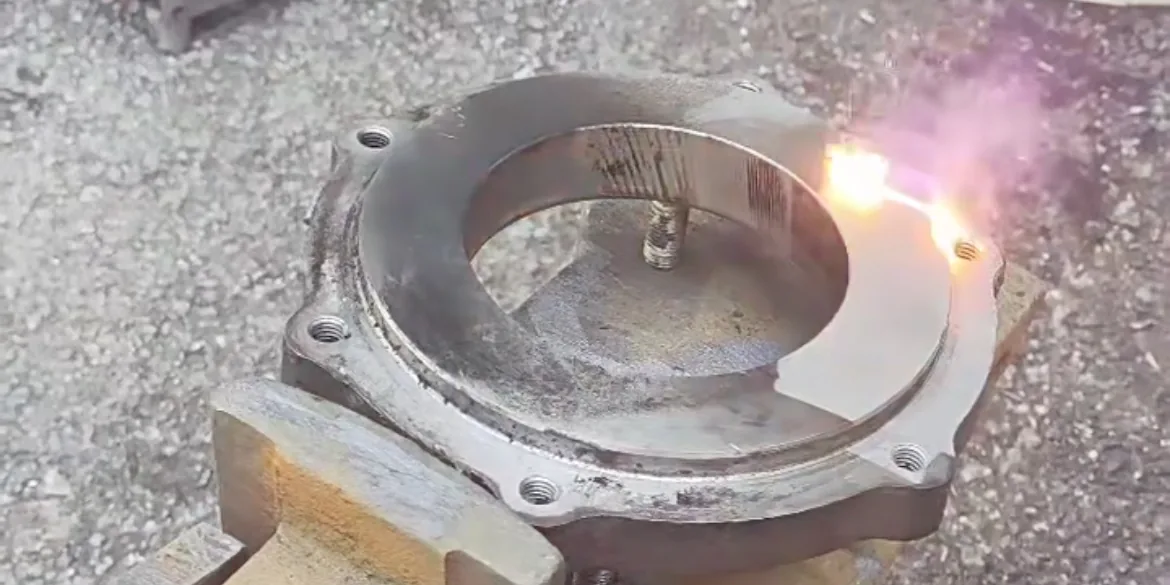
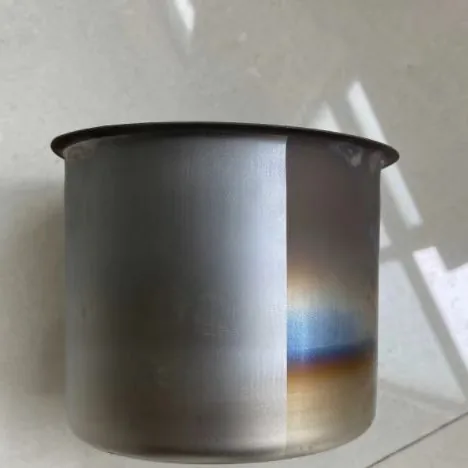
Laser oxide removal on a steel flange held in a vise, cleaned metal ring beside the darkened surface

Laser Oxide Removal and Weld Preparation

Heat tint, oxide films and weld discoloration are thin layers, usually on finished or nearly finished parts.

Typical parts
Stainless, carbon steel and aluminum parts, joint areas before welding, seams after welding.
Machines used
  • MW-LYby default: low heat input leaves the area near the original metal color
  • MW-LCtrolley case for seams cleaned on site
Weld seams before and after welding
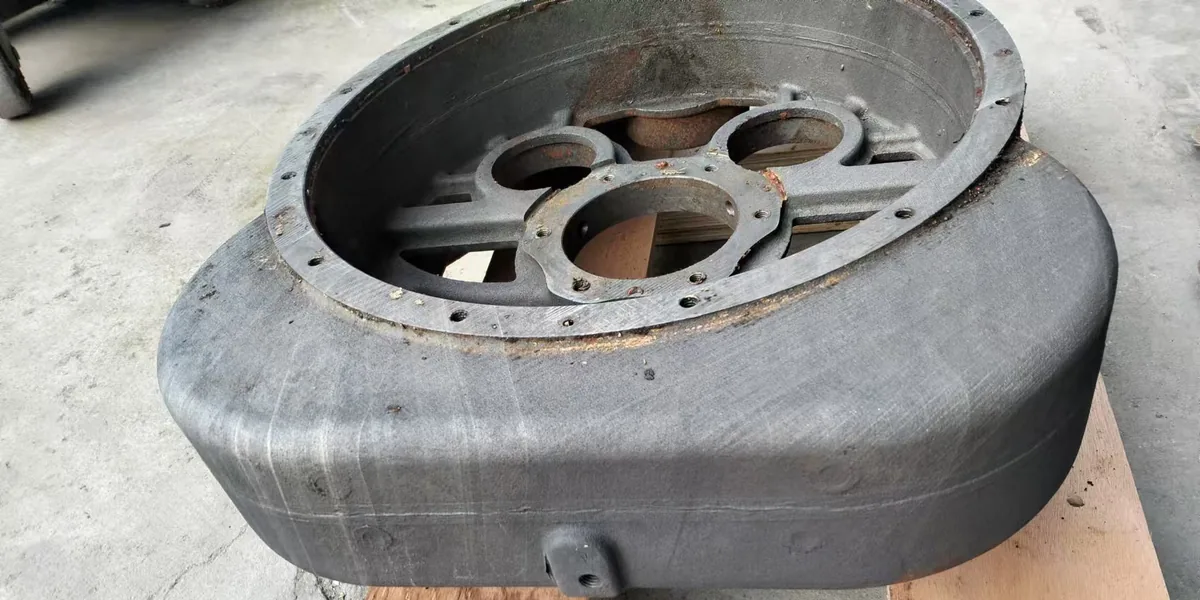
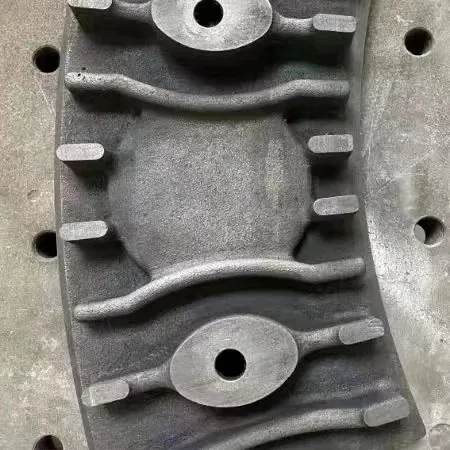
Large cast mold housing on wooden blocks during laser mold cleaning of its deposits

Laser Mold Cleaning

Release agent, rubber, plastic, carbon and oil build up on molds; the laser lifts these deposits without touching the cavity.

Typical parts
Molds and tooling with detailed cavity surfaces.
Machines used
  • MW-LYscan width and power set to the cavity detail, the setting saved for the next batch; typical example: about 5 to 7 m²/h at 300 W pulsed
Laser mold cleaning machine configurations
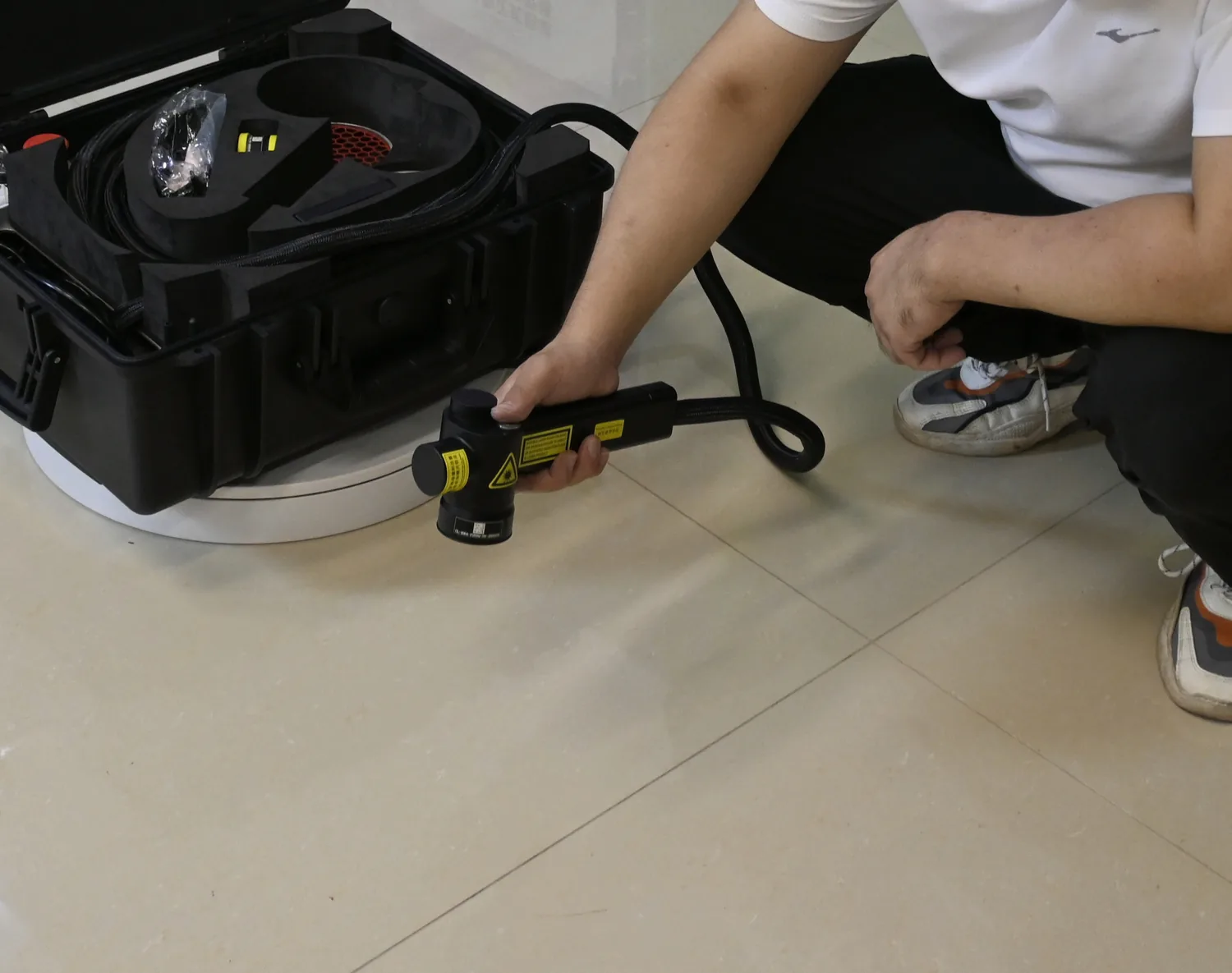
Technician kneeling beside an open MW-LC trolley-case laser cleaner with the handheld cleaning head

Laser Cleaning for Industrial Maintenance

Maintenance teams clean installed machinery where it stands, so the machine travels to the part.

Typical jobs
Oil, grease and rust on installed equipment, work at height and in confined spaces.
Machines used
On-site maintenance work
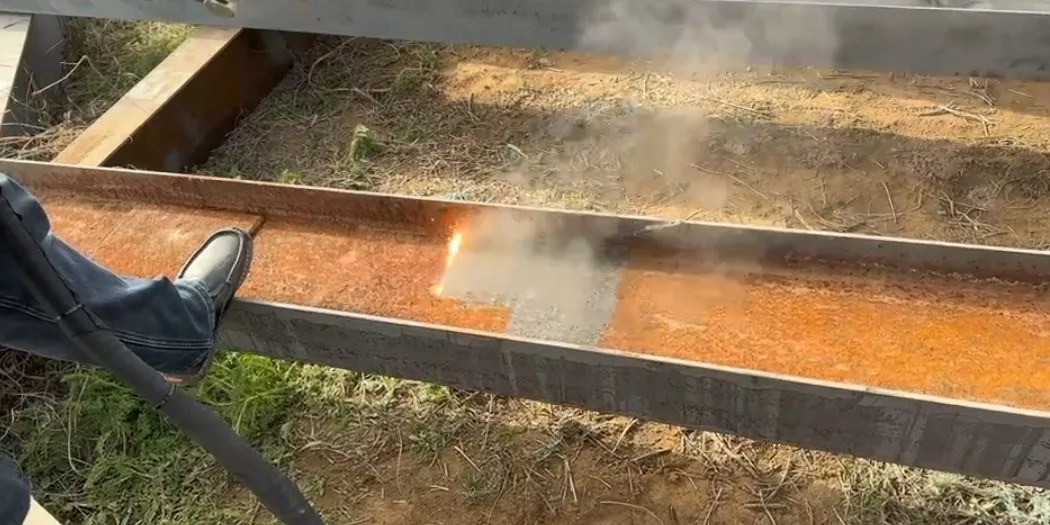
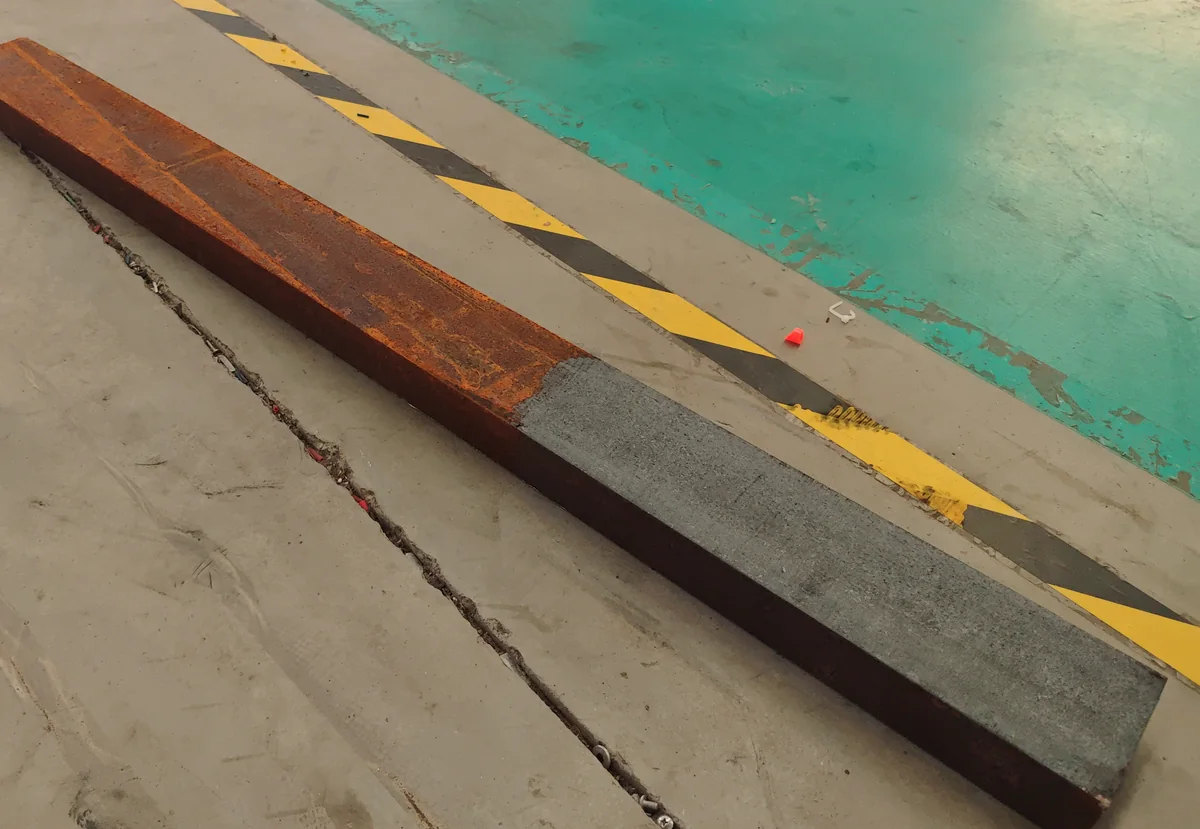
Laser surface preparation on a rusted steel frame outdoors, a cleaned patch on the rusty beam

Laser Surface Preparation for Contractors

Blasting and surface preparation contractors move from job to job, so the machine has to travel.

Typical jobs
Rust and coating removal on customer sites and on steel in the contractor's own yard.
Machines used
  • MW-LCthin layers on site, no chiller to ship
  • MW-LCWheavy rust over large areas in a fixed yard
Laser against blasting, chemicals and grinding

Application and Machine Matrix by Line

Four lines rated against nine jobs. Select a job to highlight the condition behind its row.

  • Best fit: we recommend that line for the job.
  • Possible: the line does the job under the condition below the table.
  • Not advised: we point you to another line.
Industrial laser cleaning applications rated against the four MAXWAVE machine lines
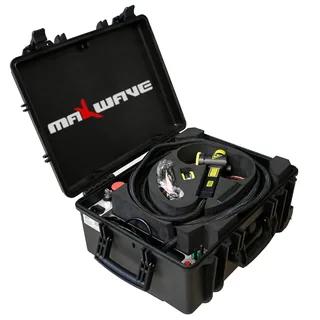
JobMW-LY air-cooled pulsed laser cleaning cabinetMW-LYair-cooled pulsedMW-LCW water-cooled continuous laser cleaning cabinetMW-LCWwater-cooled continuousMW-LC trolley-case portable laser cleaner, case openMW-LCtrolley caseMW-LC50 backpack laser cleaning machineMW-LC50backpack
Best fitBest fitPossiblePossible
Best fitPossiblePossiblePossible
Best fitPossiblePossibleNot advised
PossibleNot advisedBest fitBest fit
PossiblePossibleBest fitPossible
Best fitPossibleNot advisedNot advised
Best fitNot advisedNot advisedNot advised

On a phone, swipe the table sideways to see all four lines.

  • Rust removal

    MW-LY for thin and finished parts, where deep rust runs slowly at about 0.5 to 1 m²/h; MW-LCW for heavy rust on thick steel. The portables suit light rust, not heavy scale.
  • Paint and coating removal

    The MW-LCW is Best fit on thick plate only: below 4 mm, continuous heat may warp sheet during paint removal, and we move those parts to a pulsed line. The portables take thin coatings.
  • Oxide removal and weld preparation

    The MW-LCW is Possible on large structural welds on thick plate; the portables clean thin oxide on seams that cannot come to the workshop.
  • Mold cleaning

    The MW-LCW is listed for molds and suits large tooling with heavy deposits. The trolley case is Possible when a mold is cleaned where it sits. For a mold on the bench we recommend the MW-LY over the backpack.
  • Industrial maintenance on site

    The MW-LY is Possible inside your own plant, rolled to the equipment on 220 V. At 166 kg with a chiller, the MW-LCW stays in one bay.
  • Contract surface preparation

    The MW-LY is Possible for precision or finished parts in the contractor's shop; the MW-LCW in a fixed yard with 380 V supply for the 3000 W model; the backpack for light layers at height.
  • Wood

    Both cabinet lines are listed for wood. Set the frequency a little higher than for metal, and run a small patch first, since wood can change color. Our portables are matched to thin contamination on metal, not wood or stone.
  • Stone and building surfaces

    MW-LY for detailed surfaces, MW-LCW for larger building surfaces. Each stone type needs its own settings, proven on a small patch.
  • Restoration of cultural relics

    Listed for the MW-LY only: pulsed cleaning puts little heat into a piece whose surface has to stay as it was.

Jobs Where We Do Not Recommend Laser Cleaning

Six jobs, each with the reason and the alternative we point you to.

  • Very large, low-value steel areas where only cost per square meter counts

    If blasting already runs there with containment and recovery in place, savings on media and waste may not cover the machine on that job alone.AlternativeCompare both cost structures for your workload on our contractors page first.
  • Surfaces that need roughening, not cleaning

    Laser cleaning removes the layer and returns the base material; it is not used to cut a roughness profile into the surface.AlternativeIf your coating specification calls for a blasted profile, keep blasting for that step.
  • Transparent or highly reflective materials that have not been tried

    Laser cleaning relies on the layer absorbing the beam more strongly than the material under it. On glass, clear plastics or polished bright metal that is unknown until settings are tried, and bright metal reflects the beam.AlternativeSend a photo and the material, and run the first settings on a small area of an offcut.
  • Sites where no protected laser area can be set up

    All our lines are Class 4 laser equipment, needing a controlled area, protection against reflections and fume extraction.AlternativeBring the part into a bay that can be screened, or set up a fixed cleaning station. Site setup is on our support and maintenance page.
  • Very thick, multi-layer coatings stripped over full shifts with a low-power pulsed unit

    A 100 to 200 W pulsed unit is sized for thin layers and controlled heat; on heavy layers it is too slow for shift work.AlternativeAn MW-LCW continuous machine on thick plate; where the part is too thin for continuous heat, we can look at a combined setup for very thick layers.
  • Contamination the beam cannot reach in line of sight

    Pipe walls and shaped parts can be reached with remote focusing; deep hidden cavities cannot.AlternativeSend photos of the recesses and we tell you what the beam will reach before quoting.

Industrial Laser Cleaning by Buyer Type

Which rows of the matrix to read first.

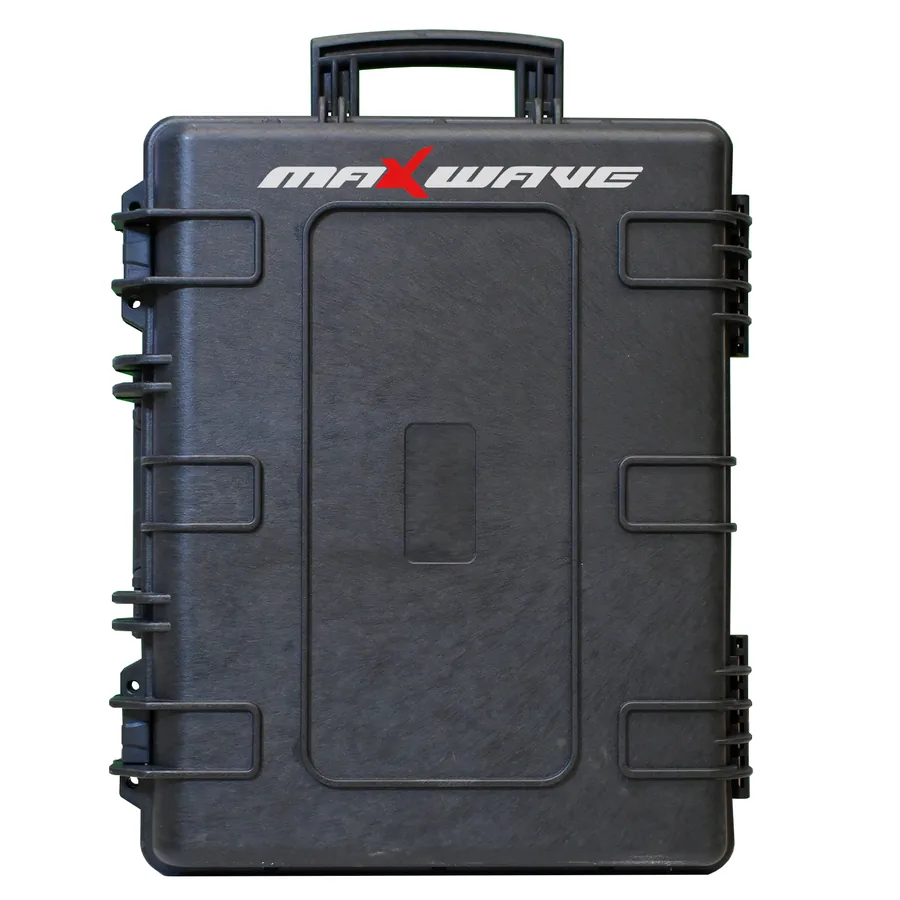
Closed MW-LC trolley case carrying the MAXWAVE mark
MW-LC trolley case with the MAXWAVE mark.
  • Metal fabrication plants

    Rust, coating and oxide rows, decided by sheet thickness.
  • Maintenance and repair teams

    The on-site row.
  • Surface preparation contractors

    The contract row and the first not-advised item.
  • Mold shops

    The mold row.
  • Distributors and OEM partners

    The whole matrix is the range you would sell; see OEM and wholesale.

Send Your Cleaning Requirement

An engineer replies with the application, the line and the configuration.

What to send

  • Material: of the part the beam will touch.
  • Contamination: the layer to remove.
  • Area or workload: what you clean per day or week.
  • Application and country: where and how the machine will work.
  • Photos: the part and the layer on it.

Phone / WhatsApp: +86 15327155363 · Call